Sameh Cartoon · Editorial Cartoons
المبالغة في الكاريكاتير: حدود السخرية والإهانة
في عالم الكاريكاتير، حيث تُرسم الأفكار بألوان السخرية والذكاء، تكمن المبالغة كأداة فنية تُبرز الحقيقة بحدة، لكنها قد تتخطى الحدود أحيانًا بين السخرية البناءة والإهانة الجارحة. هذه المجموعة المختارة من الرسوم التحريرية تستعرض ببراعة تلك الخطوط الدقيقة، مظهرة كيف يمكن للفكاهة أن تكون سلاحًا ذا حدين، يسلط الضوء على الواقع دون أن يهدر احترام الإنسان.



A curated visual editorial page about "المبالغة في الكاريكاتير: الفرق بين السخرية والإهانة", supported by 18 relevant cartoons by Sameh Samir.
المبالغة في الكاريكاتير: فن السخرية البصرية بين التعبير والحدود
مقدمة إلى فن المبالغة في رسم الشخصيات
يُعتبر فن الكاريكاتير من أقدم وأقوى أشكال التعبير البصري الساخر، حيث يعتمد بشكل أساسي على المبالغة في رسم ملامح الشخصيات أو المواقف لتسليط الضوء على نقاط ضعف أو تناقضات معينة. هذه المبالغة ليست مجرد تشويه عشوائي، بل هي تقنية مدروسة تهدف إلى تعزيز الرسالة وإثارة التفكير أو الضحك. من خلال تضخيم بعض الصفات أو تصغير أخرى، يستطيع الفنان أن يخلق توازنًا بين الفكاهة والانتقاد الاجتماعي أو السياسي.
السخرية البصرية: كيف تبرز المبالغة الرسالة؟
السخرية في الكاريكاتير تعتمد على قدرة المبالغة على إظهار الحقيقة بطريقة مبسطة ومباشرة. فعلى سبيل المثال، يمكن لرسم يد طويلة بشكل مبالغ فيه أن يرمز إلى الفساد والرشوة، كما في إحدى رسوماتنا التي تظهر مسؤولًا فاسدًا وأذرعه الممتدة التي تعبّر عن مدى تأثيره غير المشروع. هذه الطريقة تجعل الرسالة أكثر وضوحًا وتأثيرًا لدى المتلقي، إذ يتم استدعاء مشاعر الغضب أو السخرية بطريقة فنية ذكية.
الفارق الدقيق بين السخرية والإهانة في الكاريكاتير
رغم أن المبالغة هي جوهر السخرية، إلا أن الخط الفاصل بينها وبين الإهانة قد يكون ضيقًا. السخرية تهدف إلى نقد الظواهر أو الأشخاص بأسلوب يحترم الذوق العام ولا يتجاوز حدود الاحترام، بينما الإهانة تتسم بالتجريح المباشر الذي قد يجرح مشاعر الأفراد أو الجماعات. في الكاريكاتير السياسي والاجتماعي، يجب على الفنان أن يوازن بين قوة المبالغة وضرورة الحفاظ على حساسية الموضوع، خاصة في المجتمعات التي تتسم بالتنوع الثقافي والديني.
أمثلة من مكتبة الكاريكاتير: قراءة بصرية وتحليل رمزي
في هذه الصفحة، نقدم لكم مجموعة مختارة من رسومات الكاريكاتير التي توضح استخدام المبالغة بشكل فعّال دون الوقوع في فخ الإهانة. مثلاً، رسم الزوج الغيور على كلبه «بوبي» يعكس تناقضات العلاقات الزوجية بأسلوب فكاهي بسيط، حيث تُبالغ ملامح الغيرة والتدليل لتوصيل الرسالة. أما في رسم الطفل الذي يطالب بألعاب نارية ثقيلة بدلاً من الحلويات، فالمبالغة هنا تسلط الضوء على مخاطر الاحتفالات المفرطة بطريقة ساخرة.
دور الفنان في تحديد حدود المبالغة
يقع على عاتق رسام الكاريكاتير مسؤولية كبيرة في تحديد مدى المبالغة المناسبة التي تخدم الفكرة دون أن تتحول إلى إهانة. يتطلب ذلك حسًا فنيًا عالياً وفهمًا عميقًا للسياق الاجتماعي والسياسي، بالإضافة إلى احترام القيم الإنسانية. المبالغة الذكية تعزز من قوة الرسالة وتدفع الجمهور للتفكير، بينما المبالغة المفرطة قد تثير ردود فعل سلبية وتفقد الكاريكاتير مصداقيته.
خاتمة: المبالغة كأداة فنية مسؤولة
المبالغة في الكاريكاتير ليست مجرد وسيلة لجذب الانتباه، بل هي فن يتطلب دقة وحساسية. من خلال التمييز بين السخرية البناءة والإهانة المفرطة، يمكن لفن الكاريكاتير أن يظل منصة فعالة للتعبير عن القضايا الاجتماعية والسياسية بطريقة تثير النقاش وتدعو للتغيير. هذه الصفحة تقدم لكم باقة مختارة من الرسومات التي تعكس هذه الرؤية، وتبرز أهمية المبالغة كعنصر فني محوري في عالم الكاريكاتير.
النشر: روز اليوسف، صباح الخير، المصري اليوم + منصات دولية
المبالغة في الكاريكاتير: الفرق بين السخرية والإهانة
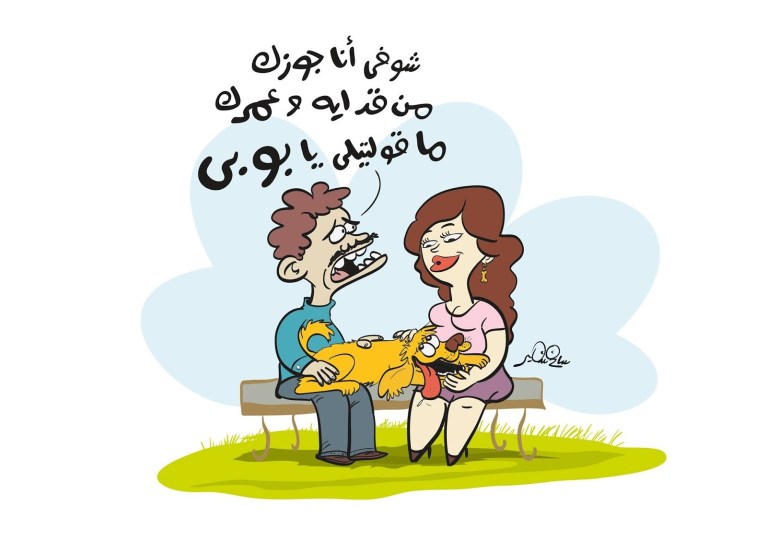
Husband Jealous of Wife Pampering Dog Named Bobby
This cartoon depicts a husband scolding his wife because she affectionately calls their dog 'Bobby,' but he is jealous as he loves that nickname and wants her to pamper him the same way. The scene humorously reflects contradictions in marital relationships and pet pampering in Egyptian society. This witty satire is brought to you by Sameh Samir.
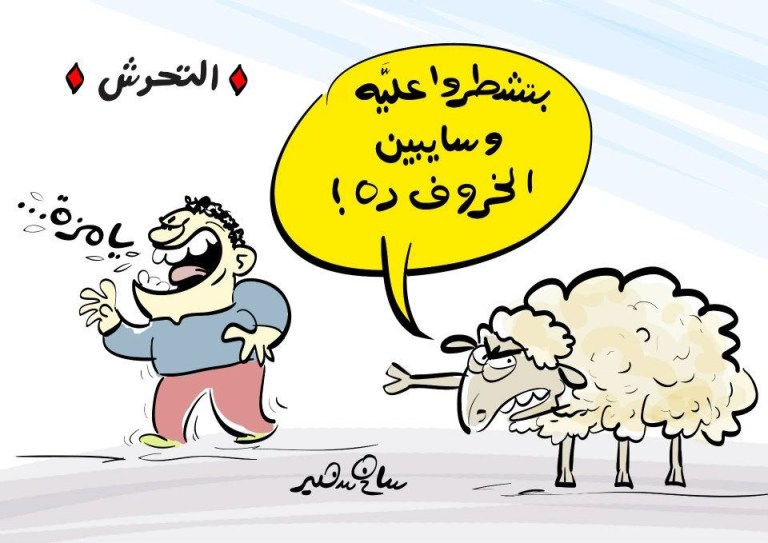
Satirical Cartoon on Harassment During Eid Al-Adha and the Wrongly Accused Sheep
This cartoon by Sameh Cartoon highlights the harassment phenomenon in Egyptian society during Eid Al-Adha with sharp satire. The sheep ironically points out how innocent victims are blamed while real harassers remain unpunished. It strongly criticizes the misuse of the term "sheep" against innocents and the societal failure to hold true offenders accountable during the festive period.
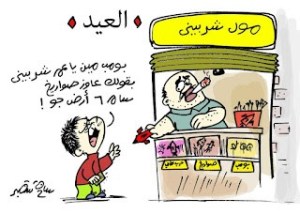
Child Demands Heavy Fireworks Instead of Holiday Sweets
This cartoon by Sameh Samir satirizes the extreme fireworks used during holidays by showing a child at a kiosk complaining about the loud explosions and ironically asking for SAM-6 surface-to-air missiles instead of regular holiday fireworks. The humor highlights concerns about safety and the absurdity of such dangerous celebrations in Egypt.
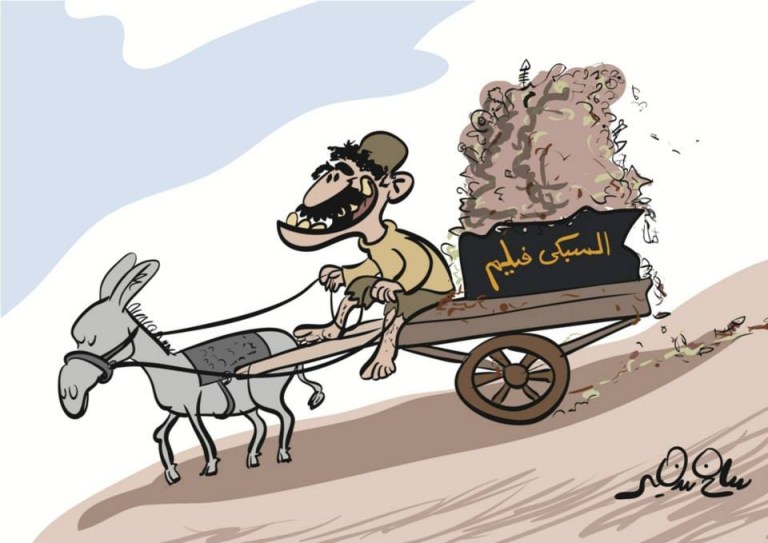
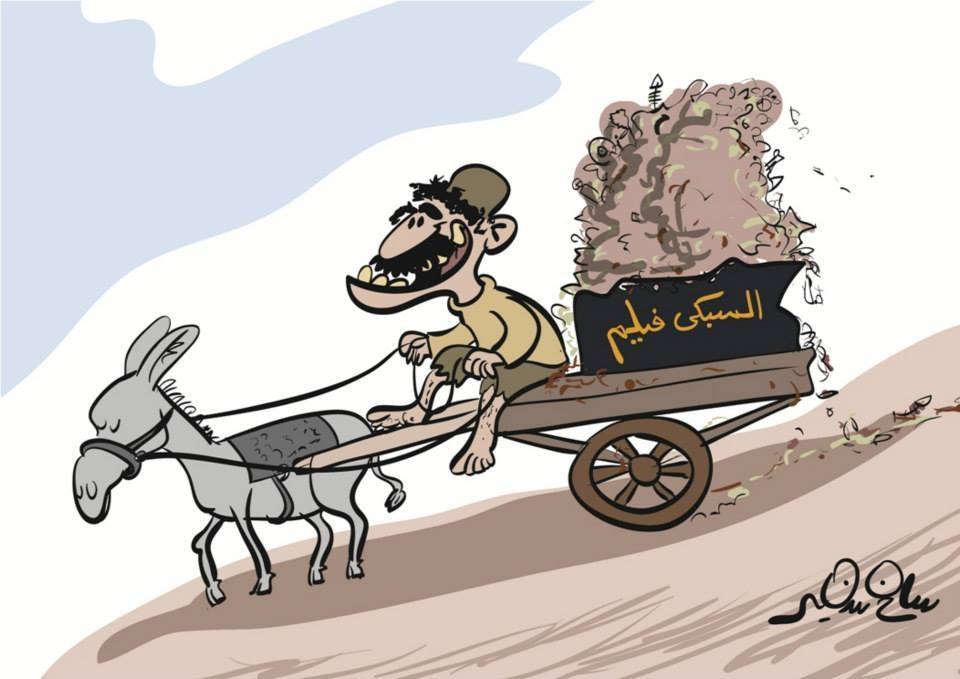
Humorous Cartoon on Waste Management Inspired by Al-Sabki Films
This cartoon by Sameh Cartoon uses humor to comment on waste management in Egypt by likening a trash cart to an Al-Sabki film, known for its low-quality productions. It cleverly blends Egyptian cultural references with social issues, making a playful yet insightful remark on community cleanliness and popular cinema.
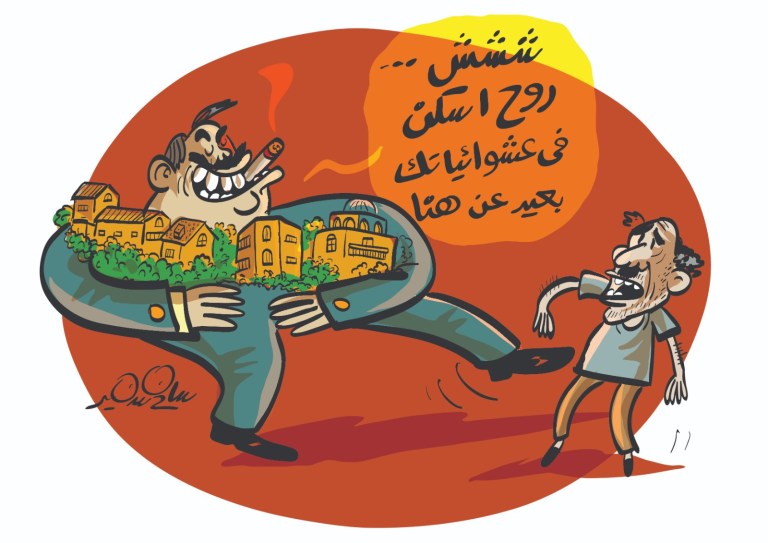
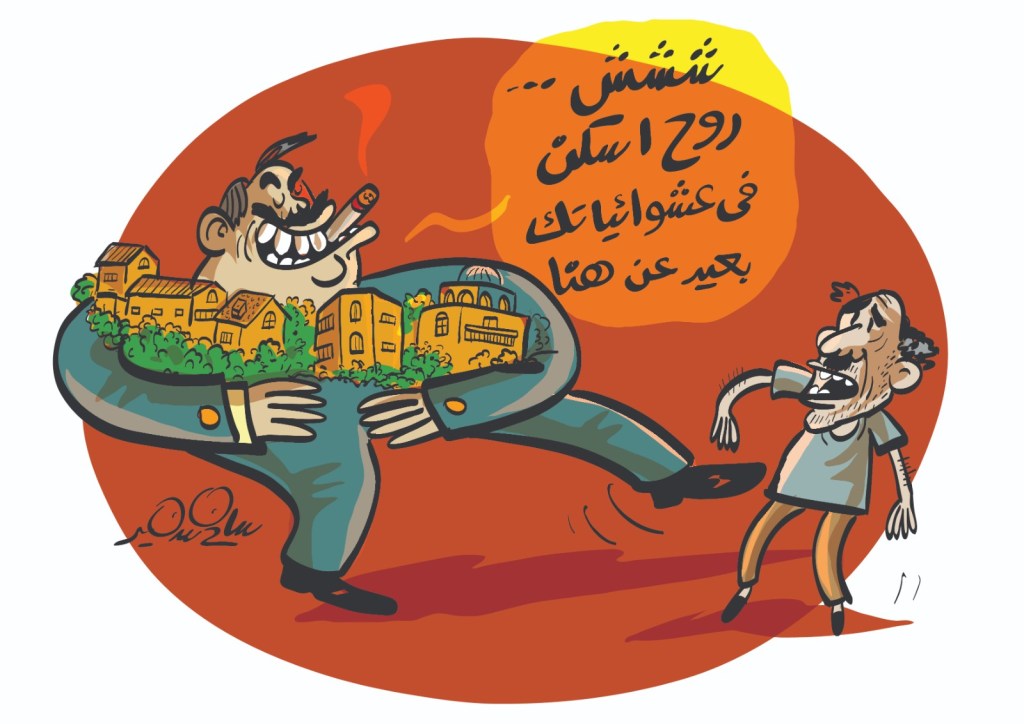
Social Class Divide Cartoon by Sameh Cartoon
This cartoon by Sameh Cartoon humorously critiques social class differences in Egypt, showing a wealthy man mockingly telling another to live in poor conditions far away. It reflects on the social divide and attitudes of the wealthy toward the less fortunate.
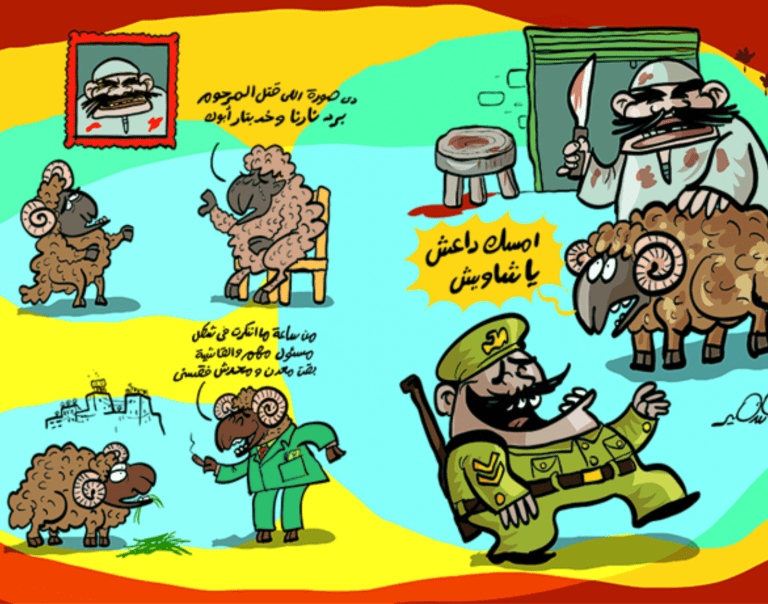
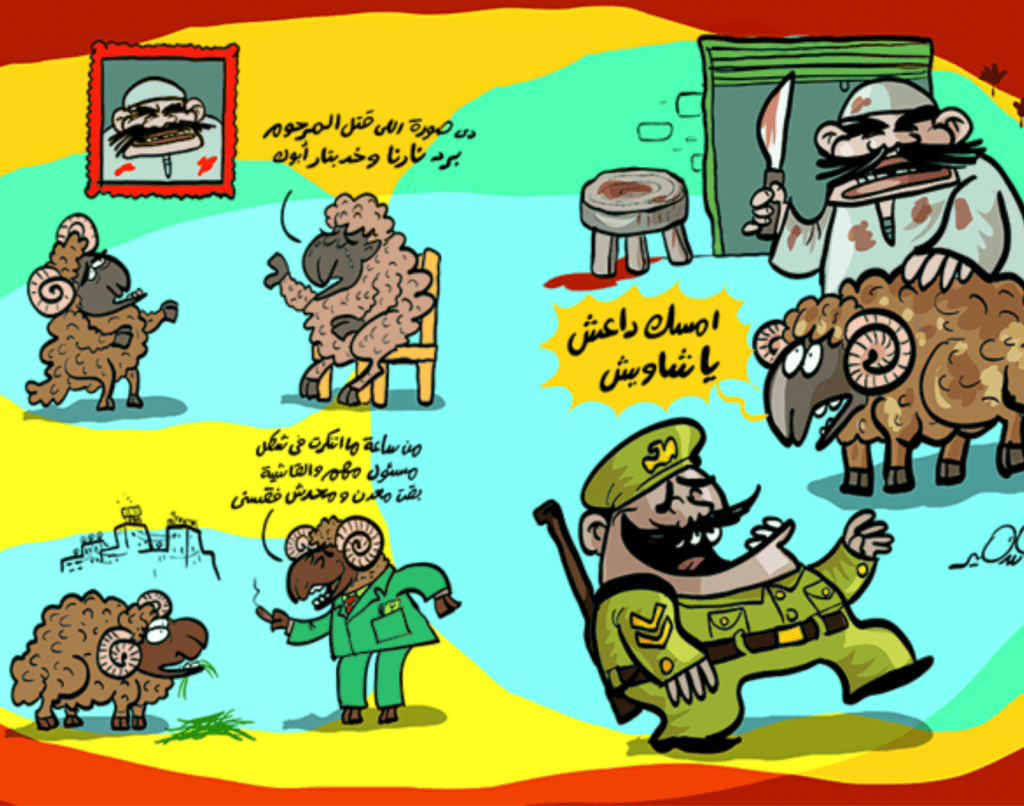
Satirical Cartoon on Eid al-Adha Highlighting Sheep Paradoxes and Corruption
This 2013 cartoon uses the symbolism of sheep during Eid al-Adha to satirize social and political issues in Egypt, including the rise of ISIS, calls for revenge, and corruption disguised as official authority. The butcher sheep, the grieving mother, and the sheep in a suit reflect deep societal paradoxes and critique of leadership.
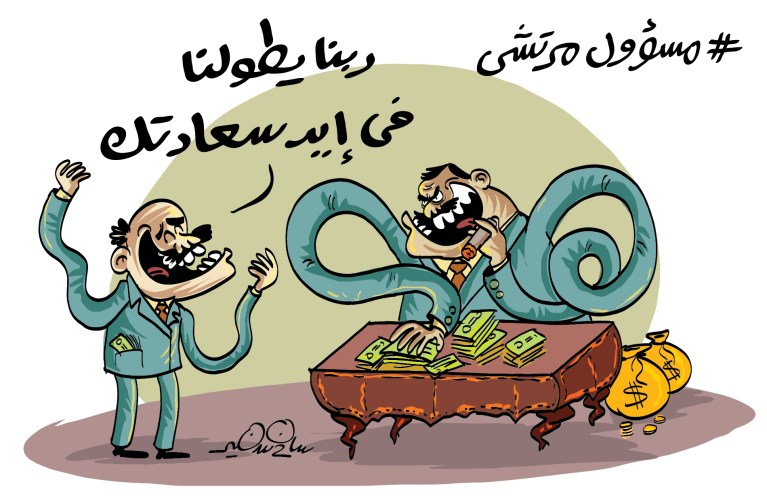
Corrupt Official and Assistant Joke on 'May God Prolong Our Time in Your Hands'
This cartoon humorously portrays a corrupt official with unusually long arms and his assistant who says the prayer 'May God prolong our time in your hands.' The irony lies in their extended reach symbolizing corruption and bribery, reflecting societal issues in an Egyptian context.
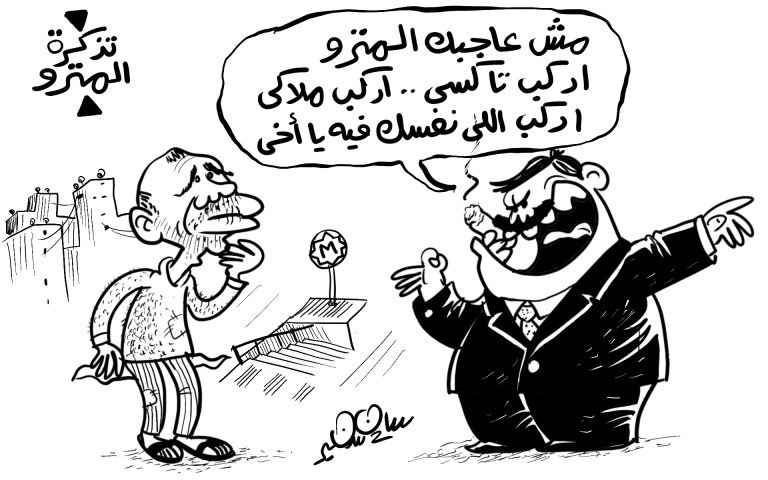
Poor Citizen Complains About Cairo Metro Fare Hike, Official Unmoved
This cartoon illustrates a poor citizen's objection to the increased Cairo metro ticket prices. The official responds with indifference, sarcastically telling him to take a taxi or private car if he dislikes the metro. It highlights social frustration over public transport costs in Egypt with a satirical tone.

Cartoon Critiquing Victim-Blaming and Misconceptions About Freedom in Harassment
This addresses the issue of victim-blaming and the widespread misconception that personal freedom justifies harassment. The artwork depicts a man using flawed logic to excuse his actions, while onlookers agree and a woman is blamed, reflecting troubling social attitudes that need to be challenged.

Cartoon Satire: Child's Water Gun vs. Security Laws During Eid
This cartoon humorously depicts a child celebrating Eid with a water gun, facing a soldier who references anti-terrorism laws. The scene satirizes the heightened security atmosphere during public celebrations in Egypt. Sameh Cartoon uses playful imagery to comment on the intersection of community festivities and security measures.
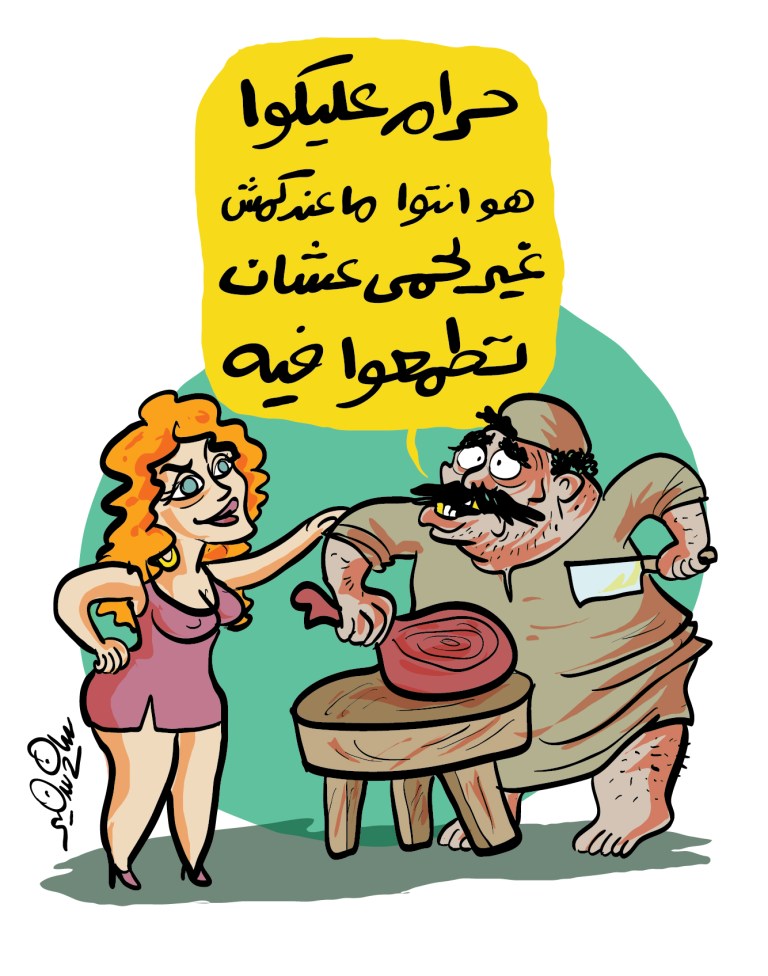
Parallel World: Butcher Nervous as Feminist Woman Flirts with Him
This cartoon from Sameh Cartoon imagines a parallel society where women dominate and men are on the receiving end of flirtation. The scene shows a butcher feeling uneasy as a confident woman teases him, saying, 'Don’t you have anything but my meat to crave?' The joke plays on the double meaning of 'meat,' referring both to his body and the beef he sells, highlighting a satirical take on gender dynamics.
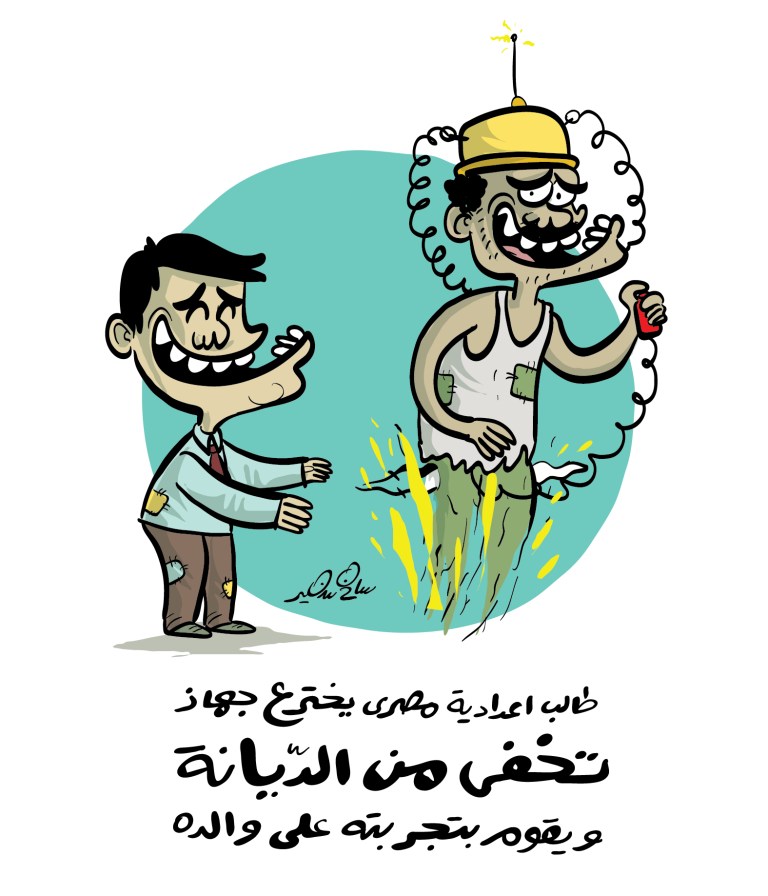
Cartoon: Hiding from Debt Collectors—Student Tests Invisibility on Dad
This cartoon shows an Egyptian student inventing an invisibility device and testing it on his father, who wants to avoid people demanding money and debts. The scene humorously reflects a common situation where individuals try to escape financial obligations. Sameh Samir uses light satire to highlight daily community challenges in Egypt.

Cartoon Satirizing Minimum Wage Demands and Ministry Budget
This cartoon humorously depicts the contradiction between a citizen's demand for a minimum wage and a ministry official surrounded by money bags labeled 'budget'. The scene offers a witty take on economic issues and public perceptions of government finances. Sameh Cartoon provides a satirical look at community concerns over salary and budget transparency.
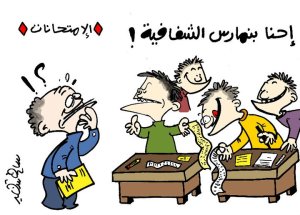
Cartoon on Exam Cheating and the Irony of Claimed Transparency
This cartoon humorously contrasts the idea of practicing transparency with the reality of exam cheating. It reflects on the common contradiction found in academic environments, where honesty is preached but not always practiced. The scene uses playful irony to comment on social attitudes toward integrity. Sameh Cartoon presents this everyday scenario with a comedic twist.
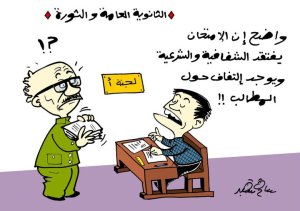
Student Satirizes Exam Legitimacy Amid Egypt's Political Unrest
This cartoon from Sameh Cartoon features a student using political terminology to highlight the lack of transparency and legitimacy in Egyptian secondary school exams during the 2011 political movement. The scene humorously mirrors the broader political discourse, offering sharp social commentary on both education and politics.

Satirical Cartoon of Unrealistic Promises Amid Hardship
This Sameh Cartoon satirizes the gap between harsh reality and exaggerated optimism, depicting a poor father promising his son a PlayStation after the departure of a corrupt government. The scene humorously exposes how unrealistic hopes are used to cope with difficult social and political situations.
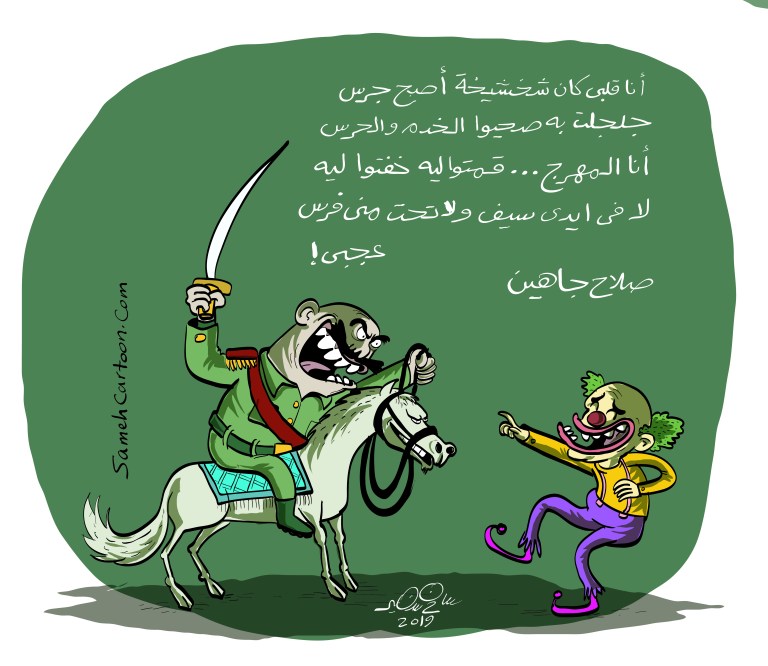
Satirical Cartoon of a Clown Mocking Authority Inspired by Salah Jahin
This cartoon, inspired by Salah Jahin's famous lines, uses humor to highlight the irrational fear of authority figures towards harmless individuals. The scene depicts a clown confronting a military officer, emphasizing the satirical nature of power dynamics in society. Sameh Samir's artwork reflects Egyptian cultural context and social commentary.

Satirical Cartoon on Chaotic School Life and Education in Egypt
This humorously highlights the chaotic environment and challenges faced by students in Egyptian schools. The scene features a donkey with a backpack and students scrambling to book lessons, poking fun at the current state of education. Through dialogue and exaggerated situations, the cartoon offers a comedic yet critical look at the education system.
Related cartoon pages and context
This selection connects to wider editorial cartoon collections, workshop/event pages, and Sameh Samir’s professional profiles.
Latest Cartoons & Visual Stories
Browse recent cartoon posts and curated visual stories.
About Sameh Samir
Read more about the cartoonist behind the work.
Awareness Cartoons
Cartoons for social impact, education and public awareness.
Political Cartoons
Editorial satire and visual commentary on power and public life.
Community Cartoons
Social behavior, public life and everyday visual satire.
Humor Cartoons
Humor, irony and everyday contradictions in cartoon form.
Sameh Samir on LinkedIn
Professional profile, projects and collaborations.
Artwork and editorial cartoons by Sameh Samir. All rights reserved.