Sameh Cartoon · Editorial Cartoons
Mastering Visual Storytelling in One-Frame Cartoons
Dive into a curated selection of editorial cartoons where a single frame speaks volumes. These visual stories capture complex ideas with wit and precision, proving that sometimes less truly is more. Through clever imagery and sharp commentary, one-frame cartoons distill the essence of current events and human nature, inviting viewers to reflect and chuckle in equal measure.



A curated visual editorial page about "Visual storytelling through one-frame cartoons", supported by 18 relevant cartoons by Sameh Samir.
Editorial Note: The Art of One-Frame Cartoon Storytelling
One-frame cartoons are a unique form of visual storytelling that demand precision, creativity, and clarity. Unlike multi-panel comics, they must convey a complete narrative or commentary in a single image. Sameh Samir’s editorial illustrations excel in this discipline, using a carefully crafted methodology that focuses on four essential elements: the character, movement, place, and frame. These components work together to create a vivid snapshot that invites viewers to decode the message instantly.
Character as the Narrative Anchor
In Sameh’s cartoons, characters are not merely figures; they embody ideas, emotions, and societal roles. Whether it’s a family in a boat symbolizing population responsibility or a student satirizing exam legitimacy, the characters serve as the narrative’s emotional and intellectual anchor. Their expressions, posture, and interactions guide the viewer’s understanding and empathy, making complex social issues accessible and relatable.
Movement: Conveying Energy and Direction
Movement in a static image might seem paradoxical, yet Sameh achieves this through dynamic poses, implied action, and visual cues. For example, the cartoon depicting people fleeing a monstrous trash pile uses body language and direction to create urgency and chaos. Movement not only adds life to the scene but also directs the viewer’s eye, emphasizing key elements and enhancing the storytelling impact.
Place: Setting the Social and Cultural Context
The setting grounds the cartoon in a recognizable reality, often reflecting Egyptian social and environmental issues. From overcrowded classrooms to the iconic Sphinx surrounded by waste, the place enriches the narrative by providing cultural and political context. This spatial awareness deepens the message, reminding viewers of the real-world implications behind the satire.
Framing: The Visual Composition
The frame defines what the viewer sees and how they interpret it. Sameh’s compositions are carefully balanced to highlight contrasts, ironies, and focal points. Whether it’s the cramped sardine-can classroom or the toxic green propaganda injection, the frame isolates and intensifies the core idea, making the cartoon’s statement unmistakable and memorable.
Social Context: Raising Awareness Through Satire
Each cartoon in this collection serves as a social mirror, reflecting pressing issues in Egyptian society and beyond. By combining humor with critical insight, Sameh’s work encourages public debate and community awareness. For instance, the cartoon addressing family planning uses satire to link classroom overcrowding with population growth, urging viewers to consider the broader social impact. Similarly, the depiction of media propaganda as a toxic injection warns against manipulation and loss of individual thought.
Education and Reform
Several cartoons critique the education system, portraying it as a failing enterprise that harms both teachers and students. Through vivid symbolism—like a teacher pouring a sticky green curriculum onto miserable students—Sameh highlights the urgent need for reform. These illustrations resonate deeply with audiences familiar with the challenges facing Egyptian education, sparking conversations about quality, transparency, and fairness.
Environmental and Community Challenges
Environmental concerns also feature prominently, with cartoons spotlighting Egypt’s waste management problems. The image of the Sphinx surrounded by garbage or citizens fleeing a monstrous trash heap uses humor to draw attention to serious urban and ecological issues. These works remind viewers that community well-being depends on addressing environmental neglect and resource mismanagement.
Visual Reading: Decoding Symbolism and Metaphor
Visual storytelling in one-frame cartoons relies heavily on symbolism and metaphor to convey layered meanings. For example, the parliamentary candidates cartoon cleverly uses a leaking sewage pipe beneath the parliament building to critique political corruption and public disillusionment. The dual meaning of “candidate” as both a politician and a leak exemplifies Sameh’s skill in embedding wordplay within visual satire.
Color and Contrast
Color choices enhance the narrative tone—greens often symbolize toxicity or decay, as seen in the propaganda and education cartoons, while muted earth tones ground scenes in everyday reality. Contrast between characters and backgrounds directs focus and underscores thematic tensions, making the cartoons visually striking and conceptually rich.
Humor as a Tool for Engagement
Humor softens the critique without diluting its seriousness. By using irony, exaggeration, and playful imagery, Sameh invites viewers to engage with difficult topics in a non-threatening way. This approach fosters reflection and dialogue, essential for social change and community awareness.
Artist’s Perspective: Crafting Impactful Editorial Illustrations
Sameh Samir’s editorial cartoons are more than drawings; they are carefully orchestrated narratives that blend artistry with advocacy. His methodical focus on character, movement, place, and frame ensures that each piece communicates a clear, impactful message. By distilling complex social realities into a single, powerful image, Sameh’s cartoons serve as catalysts for awareness and conversation across diverse platforms.
This page presents a curated selection from Sameh Samir’s cartoon library, showcasing the power of one-frame cartoons in editorial illustration and cartoon storytelling. These works have been featured in prominent outlets such as Rose El-Youssef, Sabah El-Kheir, Al-Masry Al-Youm, and various international platforms, reflecting their broad resonance and relevance.
Visual storytelling through one-frame cartoons

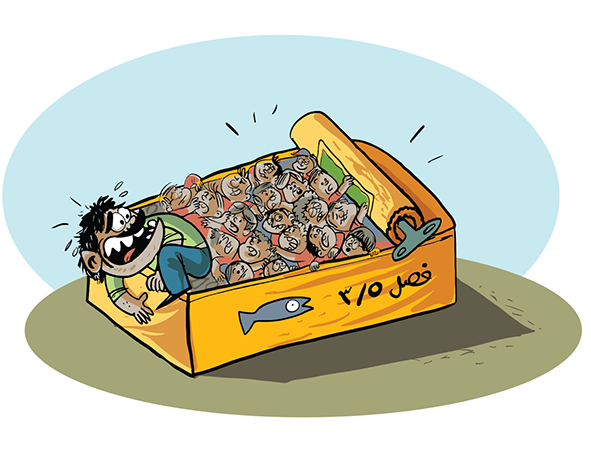
Cartoon on Classroom Overcrowding and Family Planning Awareness
This uses visual satire to connect classroom overcrowding in Egypt with the importance of family planning. The image of a man crammed into a sardine can labeled 'Class 3/5' draws attention to how family planning can help improve educational conditions and community well-being.
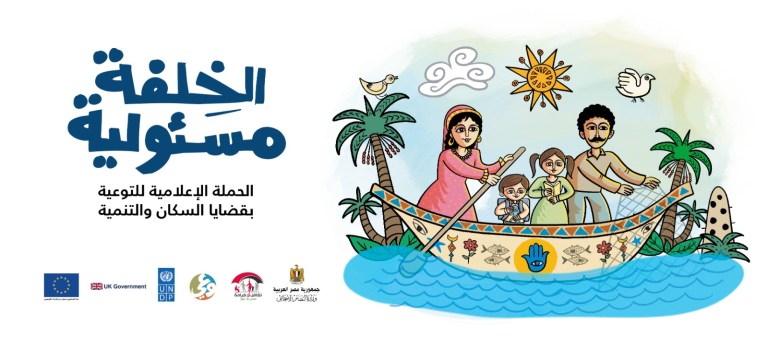
Cartoon on Population Responsibility and Family Awareness Campaign
This cartoon features a family in a boat, visually supporting the message that childbearing is a responsibility. The artwork is part of a population awareness campaign, encouraging families to consider the social and developmental impacts of having children. The cartoon is attributed to Sameh Cartoon and reflects ongoing efforts to raise awareness about population issues in Egypt.
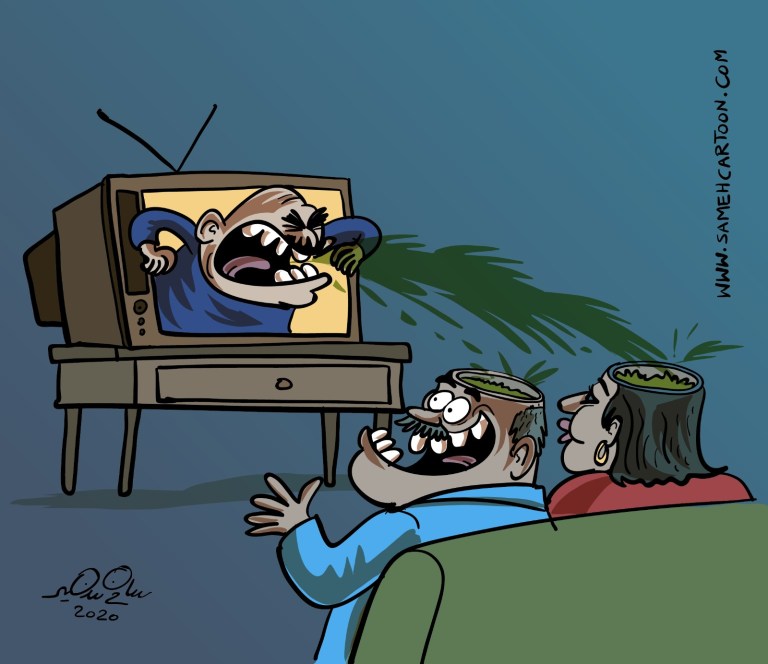
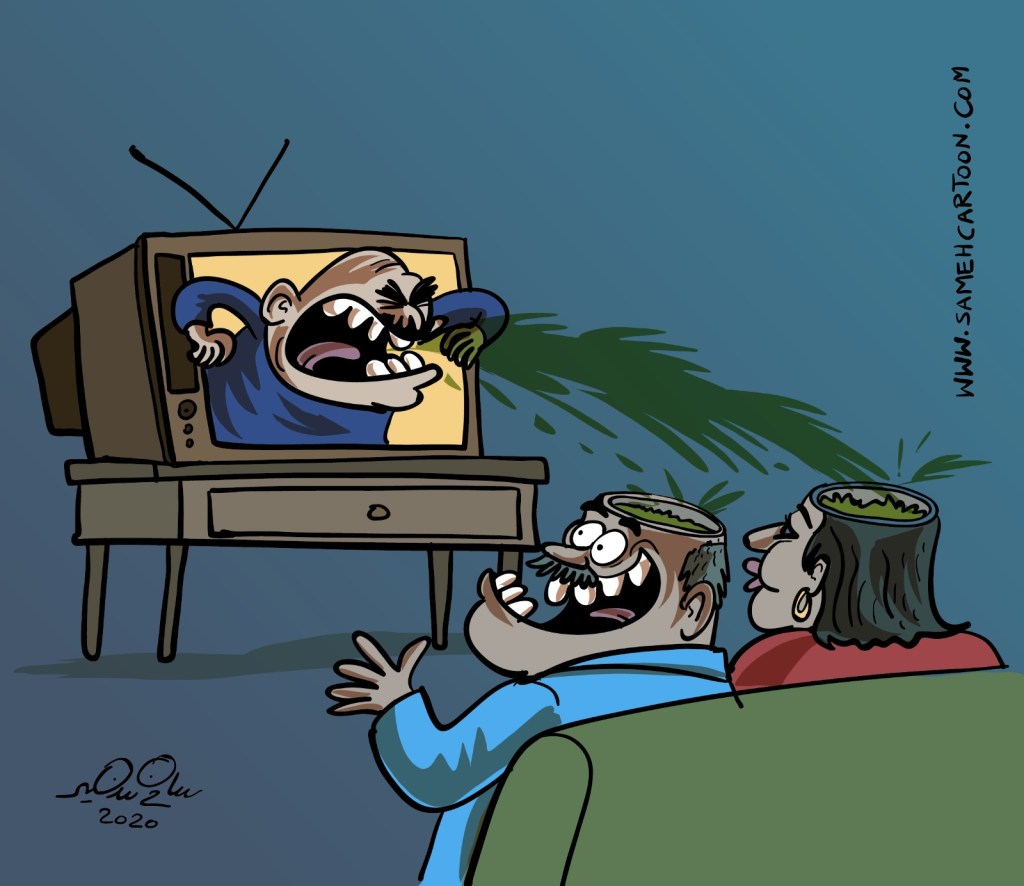
Powerful Cartoon Showing Media Propaganda Poisoning Minds
This cartoon portrays the power of media propaganda as a toxic green liquid being forcefully injected into open minds. It highlights how propaganda manipulates and suppresses individual thought and happiness. Sameh Cartoon presents this visual metaphor to emphasize the dangers of media influence on public perception.

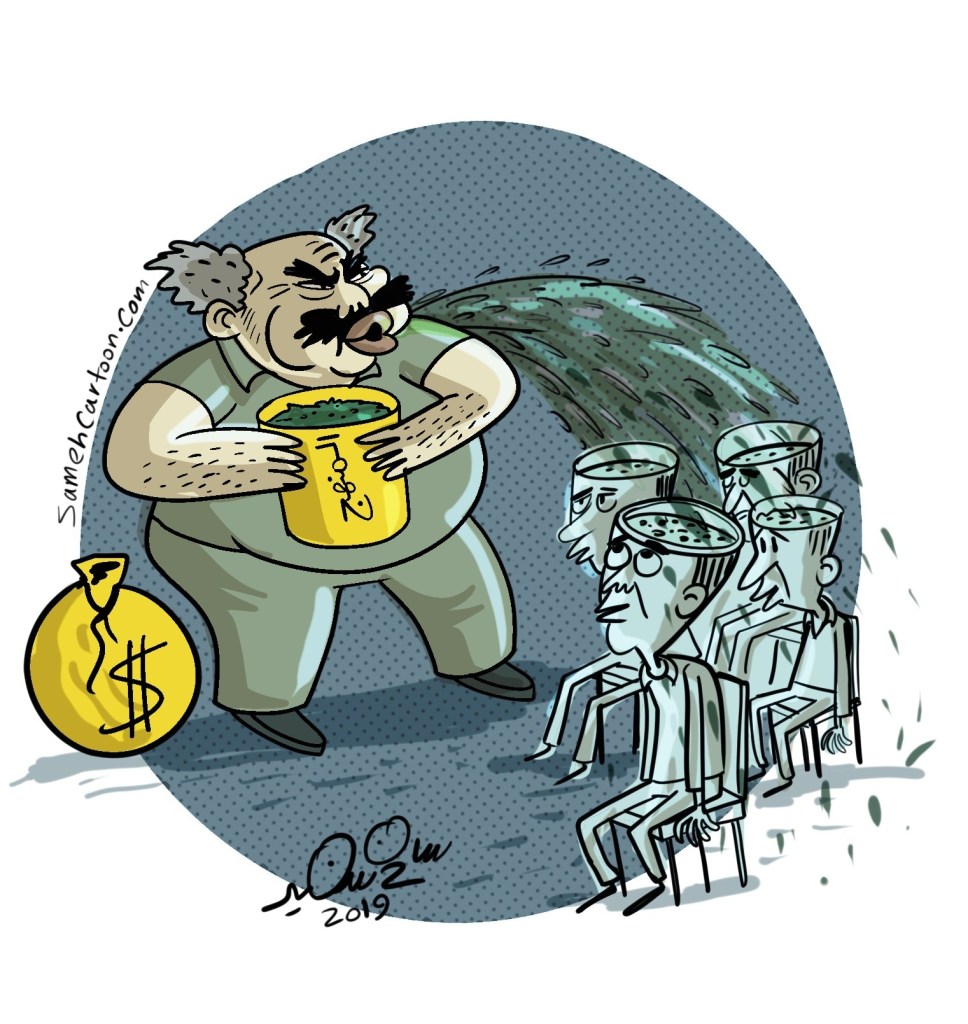
Cartoon Critiquing Poor Education Quality as a Business Model
This cartoon by Sameh Cartoon critiques the Egyptian education system by portraying it as a failing business. The teacher drinks a sticky green liquid labeled 'curriculum' and pours it onto the heads of miserable students, symbolizing how the system harms both educators and learners. It raises awareness about the urgent need for educational reform.

Egyptian Rural Woman Making Traditional Eid Biscuits
This depicts a rural Egyptian woman preparing traditional Eid biscuits with a manual machine, writing 'Happy Eid' in Arabic, reflecting Egypt's longstanding festive customs during Eid al-Fitr.
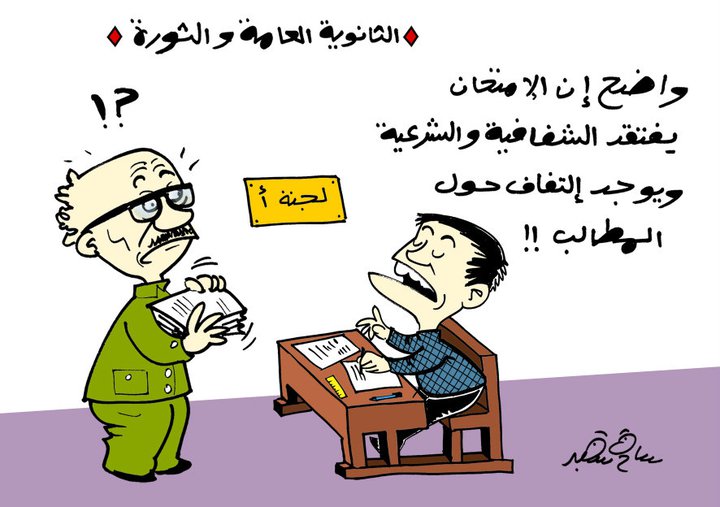
Student Satirizes Exam Legitimacy Amid Egypt's Political Unrest
This cartoon from Sameh Cartoon features a student using political terminology to highlight the lack of transparency and legitimacy in Egyptian secondary school exams during the 2011 political movement. The scene humorously mirrors the broader political discourse, offering sharp social commentary on both education and politics.
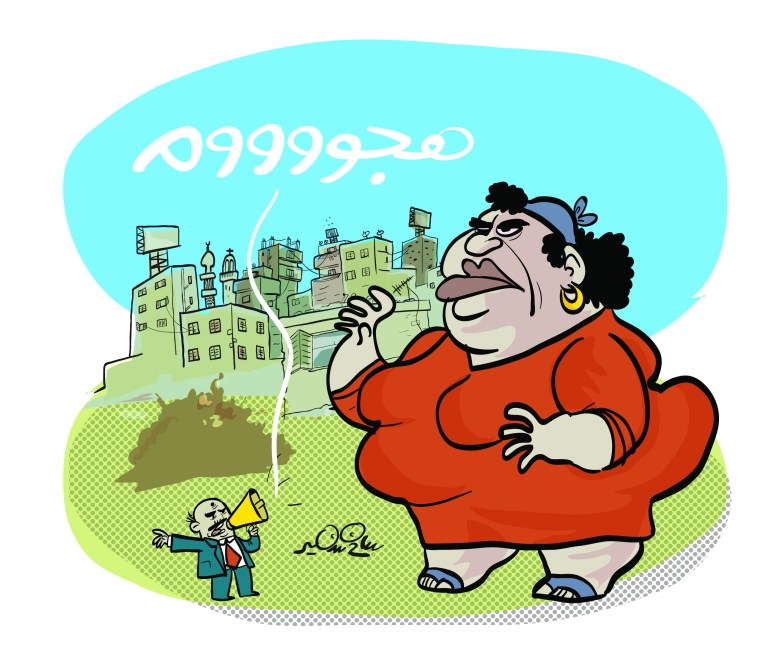
Cartoon Critiquing the Use of Female Enforcers Against Women's Protests
This Sameh Cartoon sharply critiques the practice of deploying women known for street confrontations to disrupt women's demonstrations, exposing how they are portrayed as simple citizens while following orchestrated commands.

Double Meaning: Parliamentary Candidates and Leaks
This uses sharp satire to comment on parliamentary misconduct. By illustrating the parliament building atop a leaking sewage pipe, it plays on the dual meaning of 'candidate'—as both an elected official and a leak—suggesting that the real source of the problem is the MPs themselves, not the infrastructure. The citizens' remarks highlight public disillusionment with political representatives.
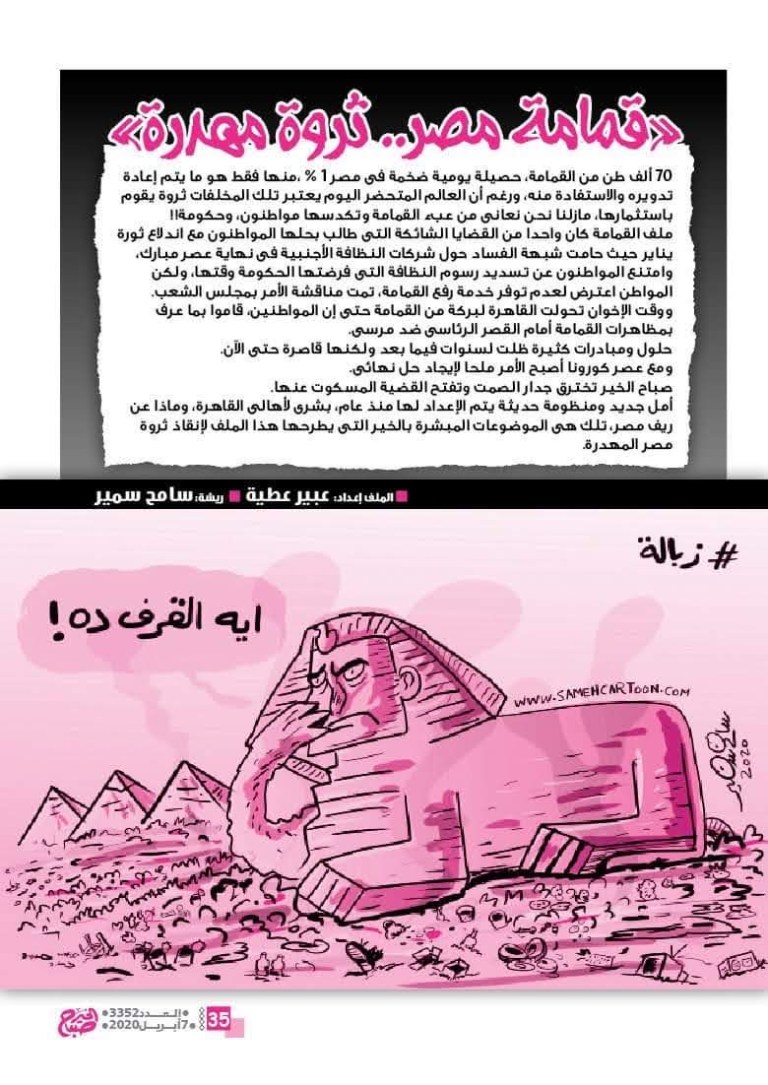
Cartoon Critique of Egypt's Waste Management with the Sphinx
This cartoon uses humor to spotlight Egypt's ongoing waste management challenges, featuring the Sphinx surrounded by trash. The artwork delivers a social message about the wasted potential of Egypt's resources. Sameh Cartoon provides a satirical take on this pressing community issue.
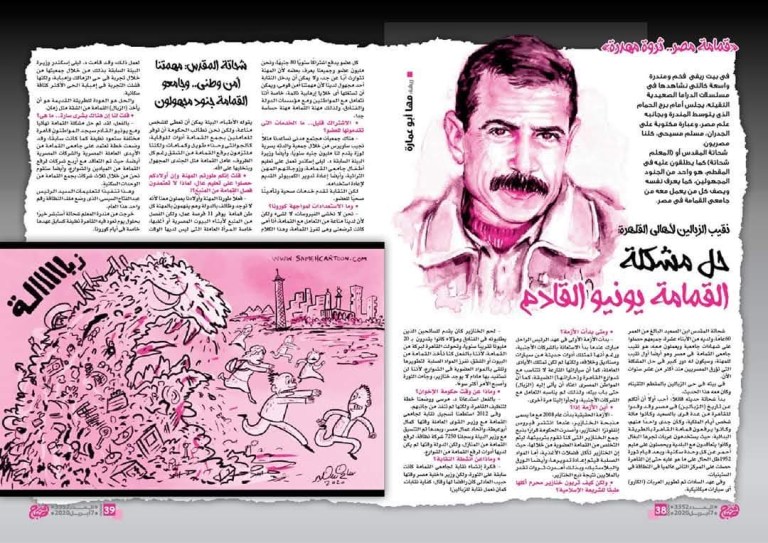
Cartoon of People Fleeing a Giant Trash Monster in Cairo
This cartoon depicts people running away from a monstrous pile of trash labeled 'Trash', with the Cairo skyline in the background. The illustration uses humor to spotlight the overwhelming waste problem faced by the community. It reflects on environmental challenges in Egyptian urban life. Sameh Cartoon created this piece to raise awareness through satire.
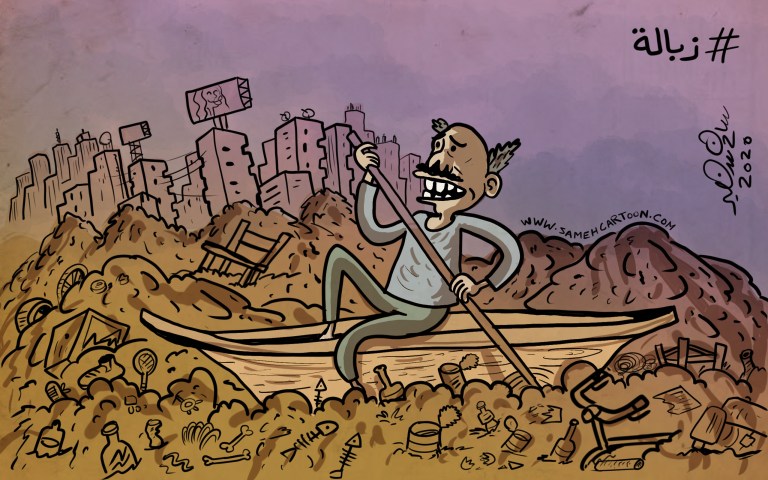
Cartoon Showing Urban Waste Crisis with Man Rowing Through Garbage
This cartoon by highlights the environmental and urban waste management issues faced by cities. It uses humor to depict a man rowing a boat through a sea of garbage, drawing attention to the severity of urban pollution and the need for community awareness and action.
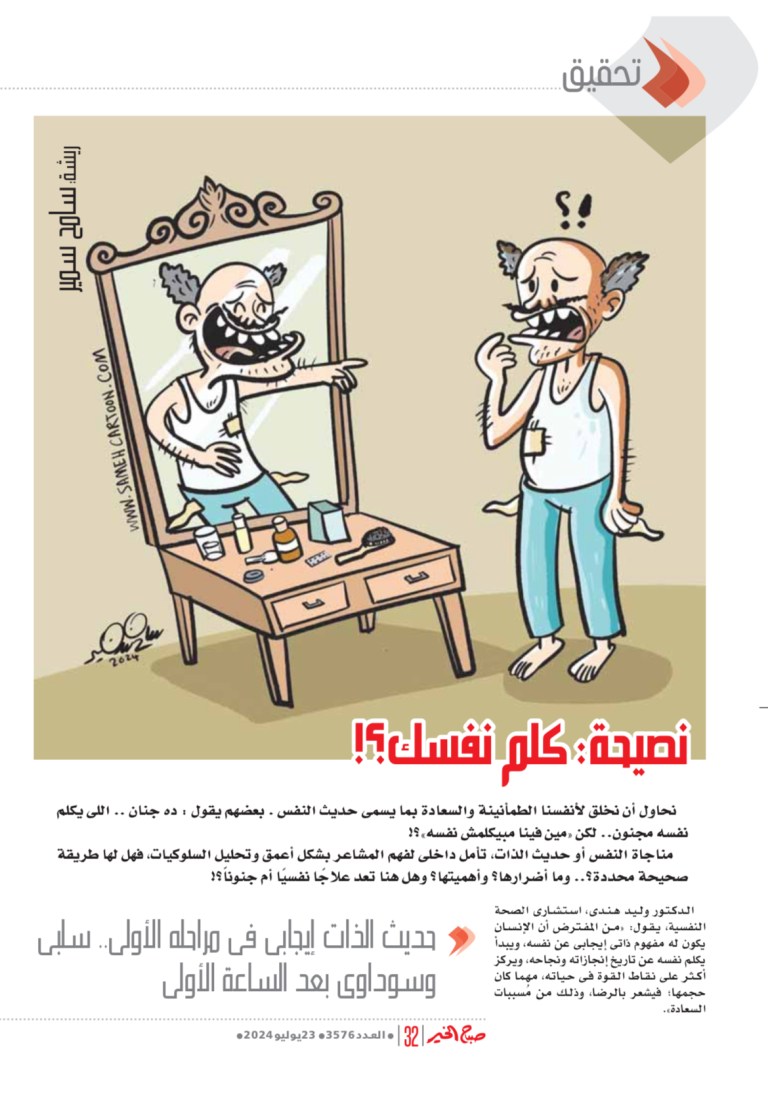
Cartoon on Self-Talk and Mental Health in Everyday Egyptian Life
This cartoon humorously addresses the topic of self-talk and mental health, reflecting common Egyptian attitudes toward inner dialogue. It questions whether talking to oneself is madness or a healthy form of self-reflection, highlighting both the positive and negative aspects. Sameh Cartoon uses relatable humor to spark awareness about mental well-being in daily life.
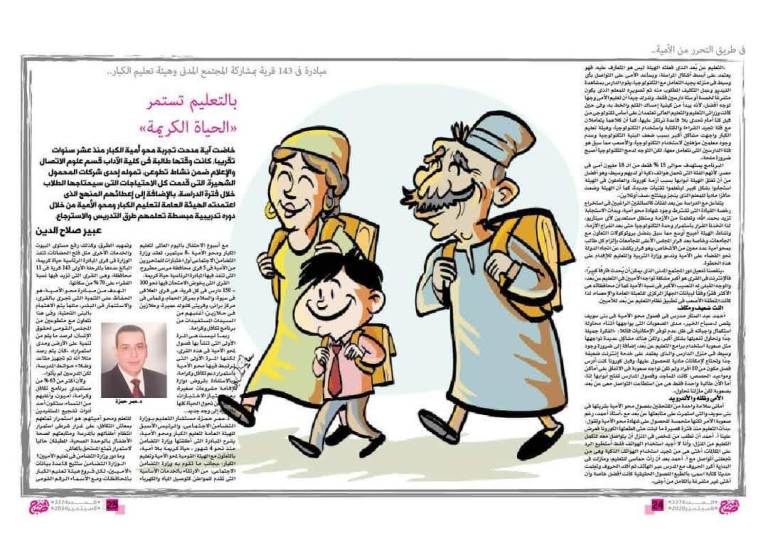
Cartoon Illustrates Lifelong Learning Through Education Initiative
This cartoon illustrates an Egyptian family of various ages, all carrying backpacks, to emphasize the value of education as a lifelong journey. The artwork humorously connects the idea of continuous learning with the pursuit of a decent life, reflecting the spirit of education initiatives in Egyptian villages. Sameh Cartoon uses light humor to make the message accessible and engaging.
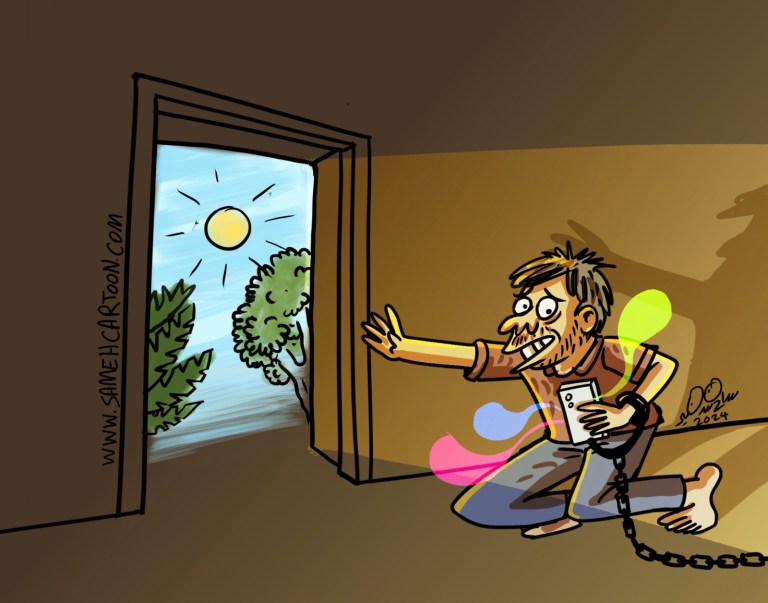
Cartoon Depicting Social Media and Phones Chaining Us to a Virtual World
This highlights how phones and social media act like chains, trapping people in a virtual world and stopping them from experiencing real life and nature. The image raises awareness about the impact of digital addiction on our ability to connect with the world around us. Artwork credit: Sameh Cartoon.

Cartoon of a Man with TV Antenna Horns Installed by Television
This cartoon uses satire to show a television placing antenna horns on a man's head, symbolizing how media can manipulate and transform people into obedient followers, much like sheep. The image highlights the influence of television in shaping public perception and conformity. From the Sameh Cartoon archive.
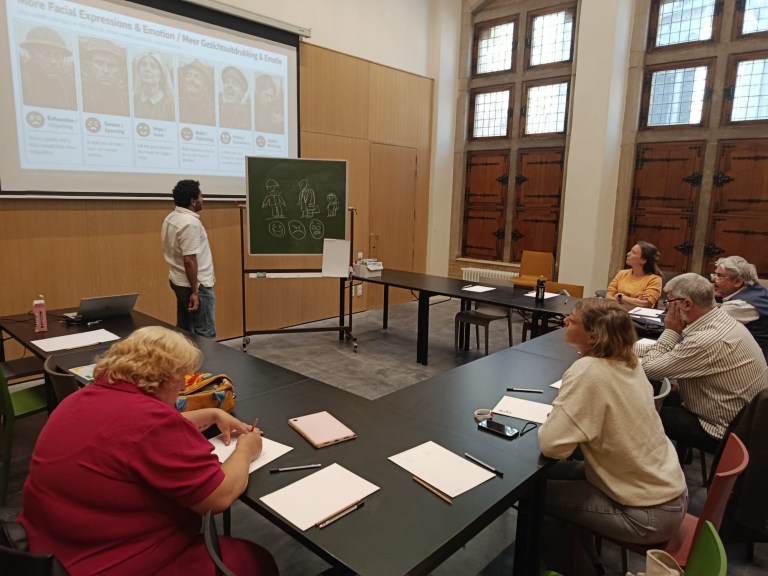
Sameh Samir Leads Political Cartoon Workshop at Belgian Heritage Day
This image shows Sameh Samir conducting a political cartoon workshop at the Ypres World War I Museum for Belgian Heritage Day. The event, provided by Sameh Cartoon, brings together participants to explore political satire and community expression through art.

Sameh Samir Leading Political Caricature Workshop at Belgian Heritage Day
This image shows Sameh Samir presenting a political caricature workshop at the Ypres World War I Museum during Belgian Heritage Day. The session uses chalkboard drawings and a projector to educate attendees about the significance of political cartooning, fostering awareness and community involvement in the arts.

Cartoon of Man Blown Away by Loudspeaker for Book Illustration
This was created as an illustration for the book 'Hadoota El Talateen' by journalist Ragy Amer, published by Dar Al Hilal in Egypt. The artwork humorously exaggerates the effect of loud sound, depicting a man being blown away by a loudspeaker controlled by another person. The scene uses playful satire to highlight the impact of loudness. It serves as a lighthearted visual for the book's content.
Related cartoon pages and context
This selection connects to wider editorial cartoon collections, workshop/event pages, and Sameh Samir’s professional profiles.
Latest Cartoons & Visual Stories
Browse recent cartoon posts and curated visual stories.
About Sameh Samir
Read more about the cartoonist behind the work.
Awareness Cartoons
Cartoons for social impact, education and public awareness.
Community Cartoons
Social behavior, public life and everyday visual satire.
Political Cartoons
Editorial satire and visual commentary on power and public life.
World Cartoons
International editorial commentary through visual satire.
Sameh Cartoon on Cartoon Movement
International cartoon platform profile.
Artwork and editorial cartoons by Sameh Samir. All rights reserved.