Sameh Cartoon · Editorial Cartoons
Mastering Caricature Facial Expressions with Sameh’s Art
Explore the art of drawing facial expressions in caricature through this curated selection of editorial cartoons. Each piece cleverly captures the essence of emotion with exaggerated features that reveal more than just a smile or a frown. These cartoons demonstrate how subtle shifts in lines and shapes can transform a simple face into a vivid story, reminding us that in caricature, every expression is a powerful narrative tool.


A curated visual editorial page about "Drawing facial expressions in caricature", supported by 18 relevant cartoons by Sameh Samir.
Editorial Note: The Power of Expression in Caricature
Facial expressions are the heartbeat of caricature. They transform simple lines into vivid stories, revealing humor, emotion, and personality. Sameh Samir’s work exemplifies how exaggeration and subtle detail combine to create compelling caricature faces that resonate with viewers. This page presents a curated glimpse into his artistic approach, especially focusing on drawing facial expressions, a skill honed through live sessions and workshops such as those held in Buggenhout, Belgium.
Why Facial Expressions Matter in Caricature Faces
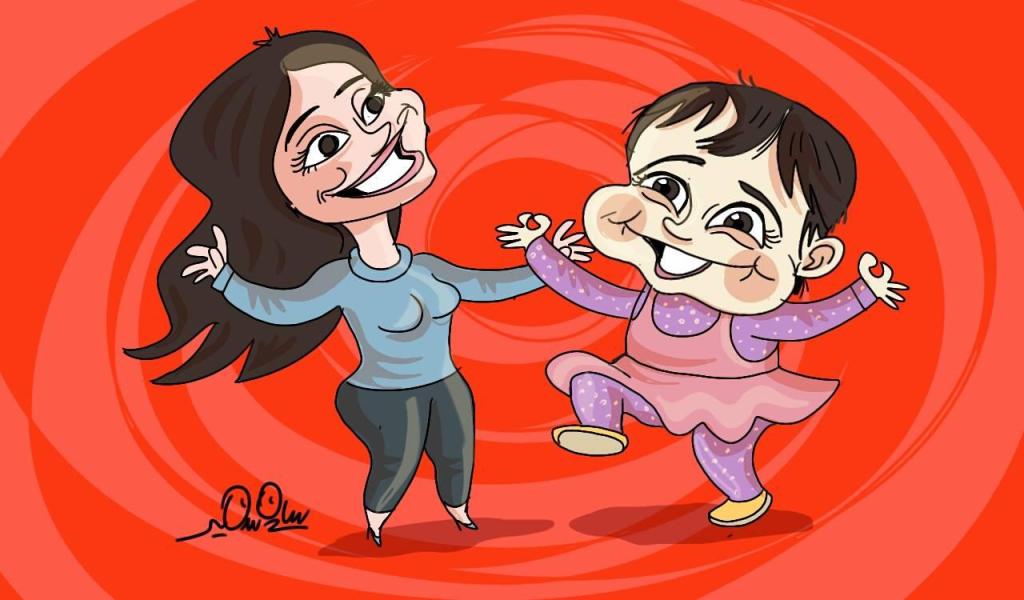
Caricature is more than just distortion; it’s about capturing the essence of a subject. Facial expressions convey feelings instantly—joy, surprise, mischief, or contemplation—making the caricature relatable and engaging. By amplifying key features like eyes, eyebrows, and mouth shapes, artists create a visual language that speaks louder than words. Sameh’s cartoons, such as the joyful woman and child dancing with exaggerated smiles, demonstrate how expression drives narrative and humor.
Techniques for Drawing Cartoon Expressions
Learning to draw expressive caricature faces involves understanding anatomy and emotional cues, then pushing boundaries through exaggeration. Key techniques include:
- Observation: Study real human expressions to identify defining features.
- Exaggeration: Amplify distinctive traits—wide eyes, raised eyebrows, or a crooked grin—to heighten impact.
- Line Variation: Use thick and thin lines to emphasize mood and movement.
- Contrast and Color: Employ vibrant backgrounds or color accents to enhance the emotional tone, as seen in Sameh’s lively red backdrop cartoons.
These elements combine to create caricature faces that are instantly recognizable and emotionally charged.
Insights from the Buggenhout Workshop Experience
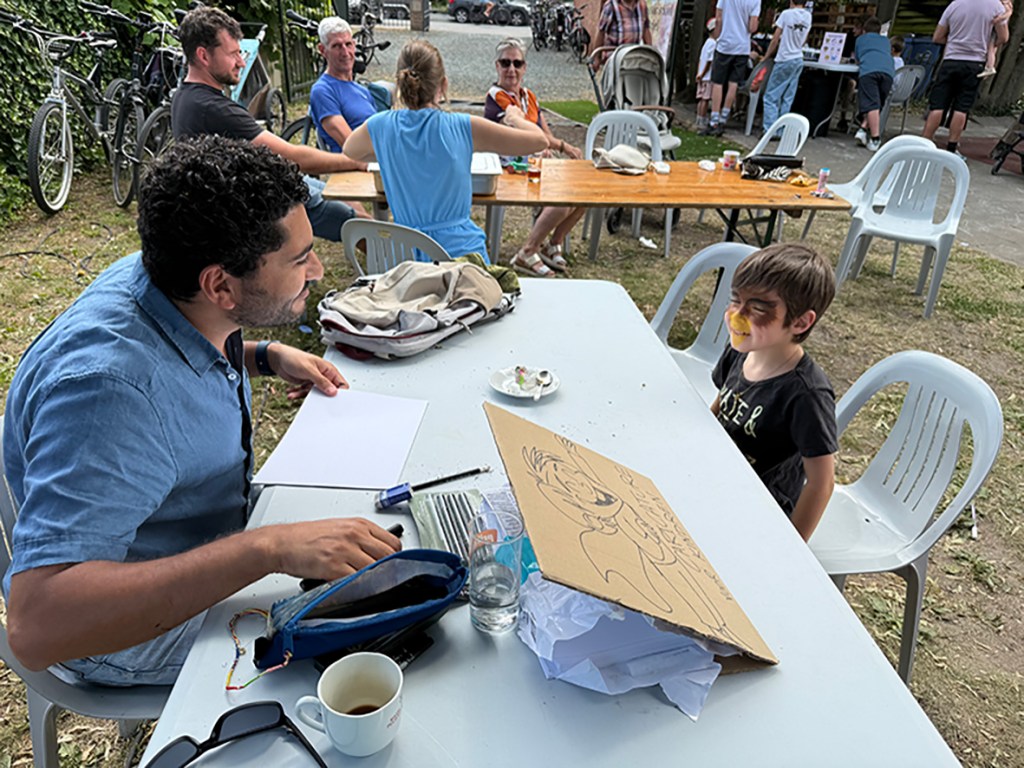
Sameh Samir’s live caricature sessions at Buggenhout schools offer a unique window into the dynamic process of capturing expressions on the spot. Drawing children and teachers in real time challenges the artist to quickly read facial cues and translate them into playful exaggerations without losing likeness. This interactive environment fosters creativity and teaches aspiring caricaturists how to balance spontaneity with technique.
One memorable moment from Buggenhout features a live caricature of two school teachers, where subtle smiles and distinctive features were skillfully amplified to celebrate their personalities and roles within the community. Such events highlight the social impact of caricature art beyond entertainment.
Decoding Expression: What to Look for in Caricature Faces
When examining caricature faces, focus on how the artist manipulates facial muscles and features to convey emotion:
- Eyes: Are they wide open in surprise or narrowed in suspicion? Eye shape and size are crucial for mood.
- Eyebrows: Raised, furrowed, or asymmetrical brows add layers of meaning.
- Mouth: The curve of a smile or the pout of a frown can define the entire expression.
- Cheeks and Wrinkles: Lines around the eyes or mouth enhance realism and humor.
Sameh’s cartoons often highlight these features with bold lines and playful exaggeration, inviting viewers to read the emotional story behind each face.
Artist’s Reflection: The Joy of Drawing Expressions
For Sameh Samir, drawing facial expressions is both a technical challenge and a source of joy. Each caricature is an opportunity to explore human emotion through a humorous lens. He emphasizes that learning caricature is a journey of constant observation and experimentation. By engaging with live audiences, as in Buggenhout, the artist refines his ability to connect instantly with subjects, capturing fleeting expressions that reveal character.
This curated selection from Sameh’s cartoon library not only showcases his distinctive style but also serves as an educational resource for those eager to learn caricature. Whether you’re a beginner or an experienced artist, understanding how to draw facial expressions will elevate your caricature faces and deepen your storytelling through cartoon expression.
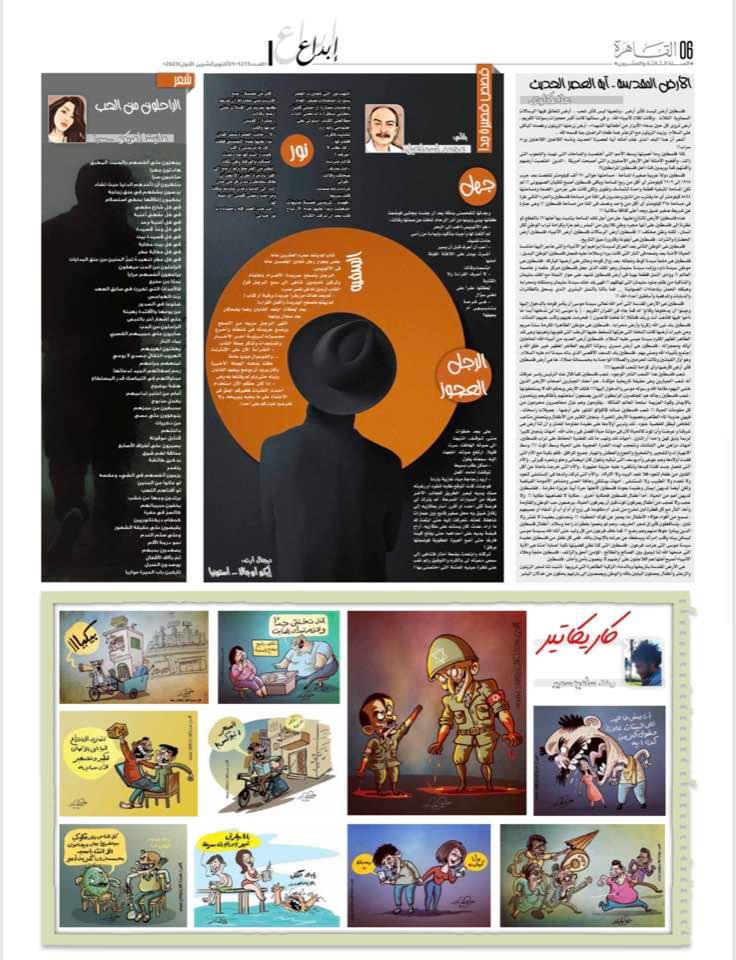
Published by Rose El-Youssef, Sabah El-Kheir, Al-Masry Al-Youm, and featured on international platforms.
Drawing facial expressions in caricature

Joyful Cartoon of Woman and Child Dancing with Exaggerated Expressions
This cartoon features a woman and child dancing energetically, their exaggerated facial expressions creating a playful and humorous atmosphere. The vibrant red background enhances the lively mood. The artwork is by Sameh Cartoon.
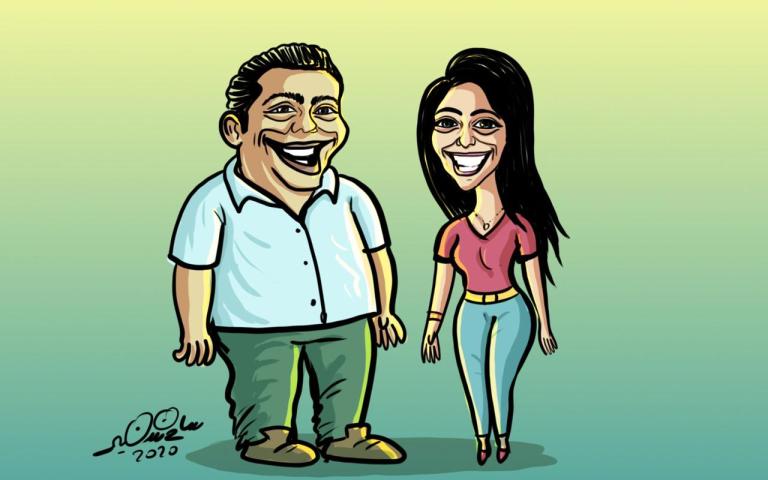
Humorous Cartoon of Smiling Man and Woman with Exaggerated Features
This cartoon humorously depicts a man and woman with exaggerated facial features and wide smiles, labeled 'Sam 2020'. The playful illustration uses caricature to create a lighthearted and entertaining scene. , it captures a fun and whimsical moment. Cartoon by Sameh Cartoon.
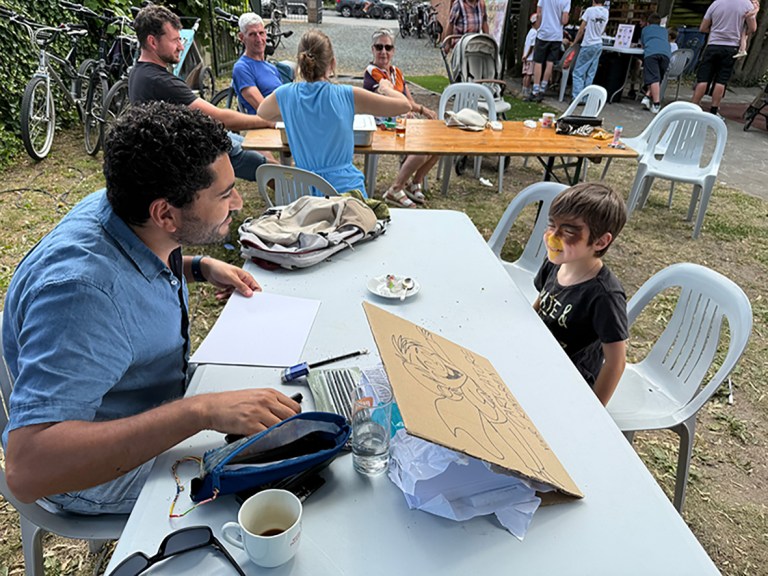
Live Caricature Drawing for Children at Buggenhout School
A Sameh Cartoon artist draws a live caricature for a child at a school in Buggenhout, Belgium. This event illustrates the positive impact of art in community gatherings, fostering creativity and connection among children.
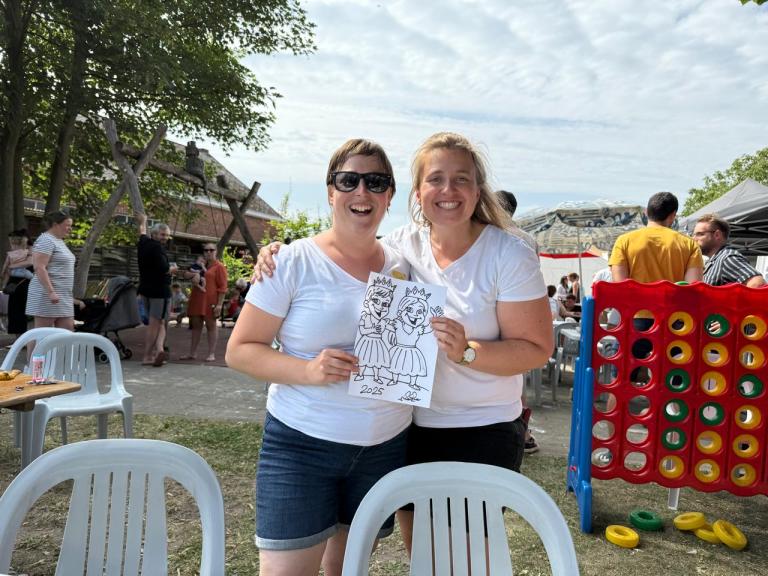
Live Caricature of School Teachers at Buggenhout, Belgium
This image shows a live caricature drawing of two school teachers for children at a community event in Buggenhout, Belgium. The artwork, , highlights the vibrant atmosphere of the gathering and celebrates educators in the community.
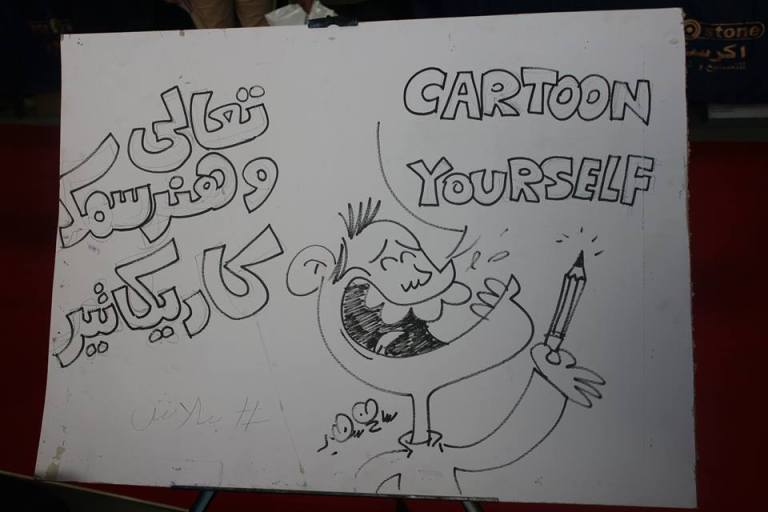
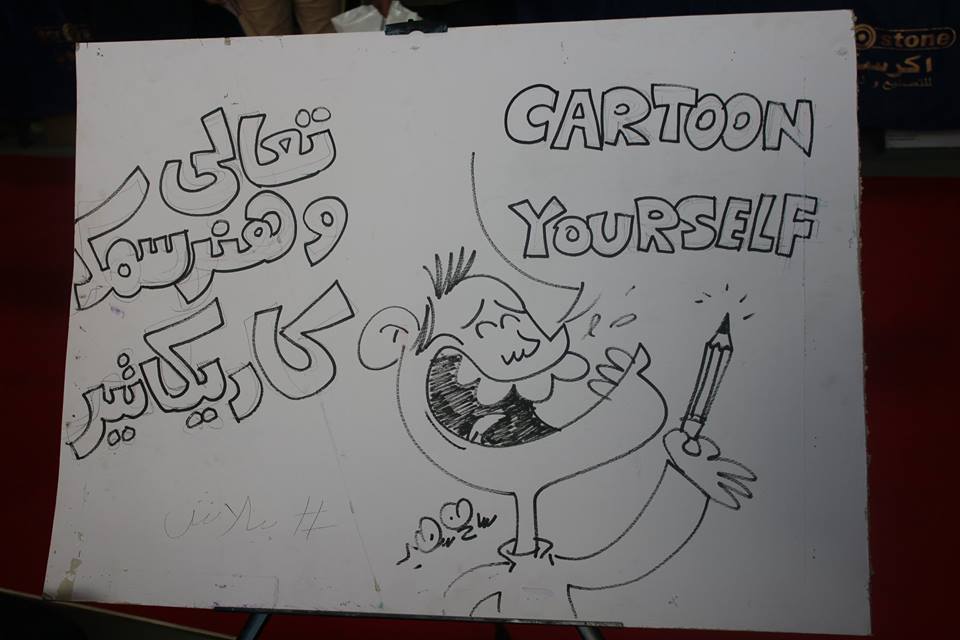
Cartoon Invitation to Get Your Caricature Drawn
This cartoon features a humorous invitation for viewers to have their caricature drawn. The playful tone and text make it an engaging piece for anyone interested in caricature art. Artwork by Sameh Samir.

Original Cartoon Artwork by Sameh Samir
This image features an original cartoon The artwork demonstrates a distinctive style, characteristic of the artist's portfolio. Without specific context or text, the piece stands as an example of creative cartoon art. The image is suitable for those interested in contemporary cartoon illustrations.
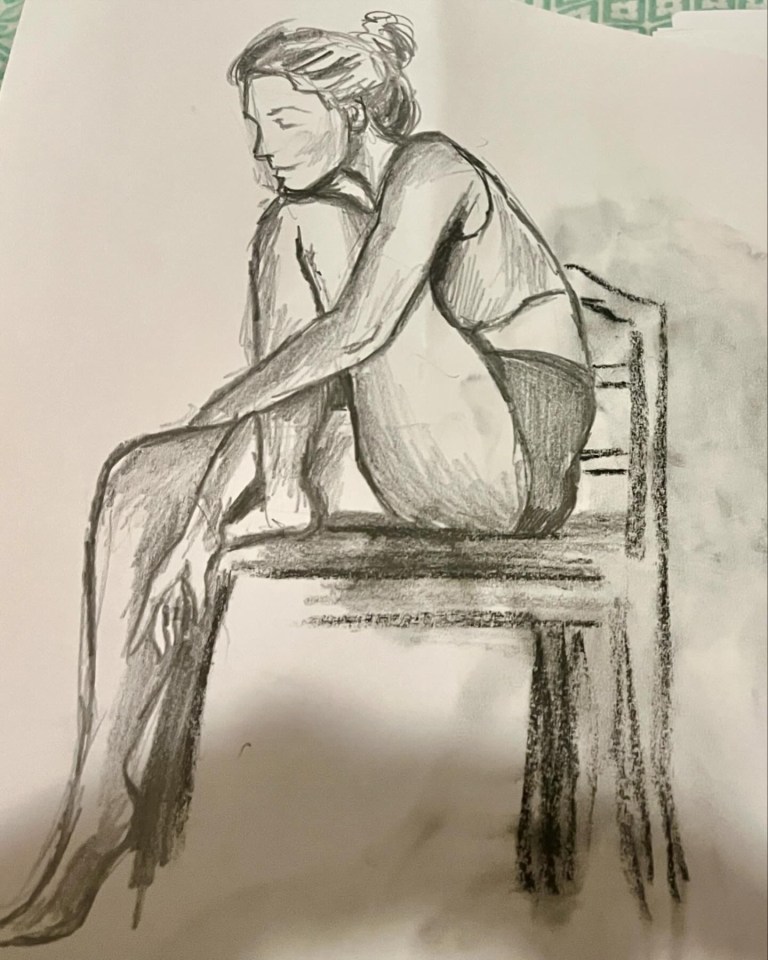
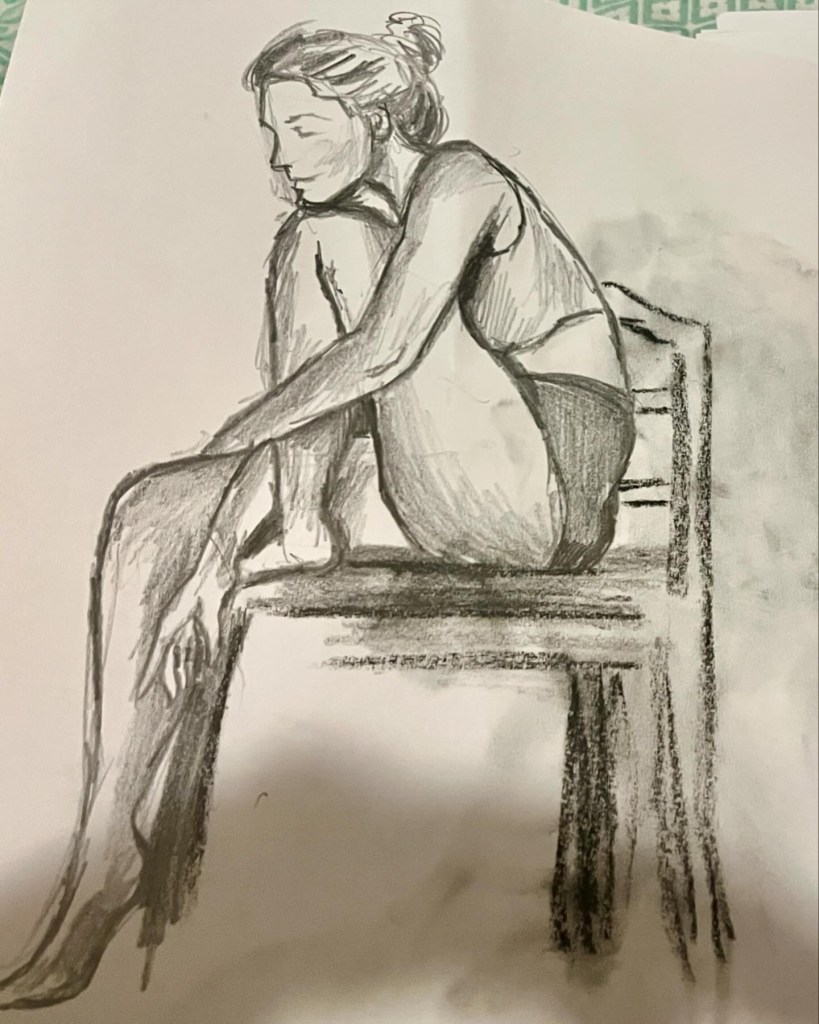
Artistic Sketch of a Woman in a Contemplative Pose
This design presents a detailed sketch of a woman seated in a contemplative pose, capturing a moment of introspection. The artwork highlights expressive line work and subtle emotion. , this piece exemplifies portrait art through minimalist design.
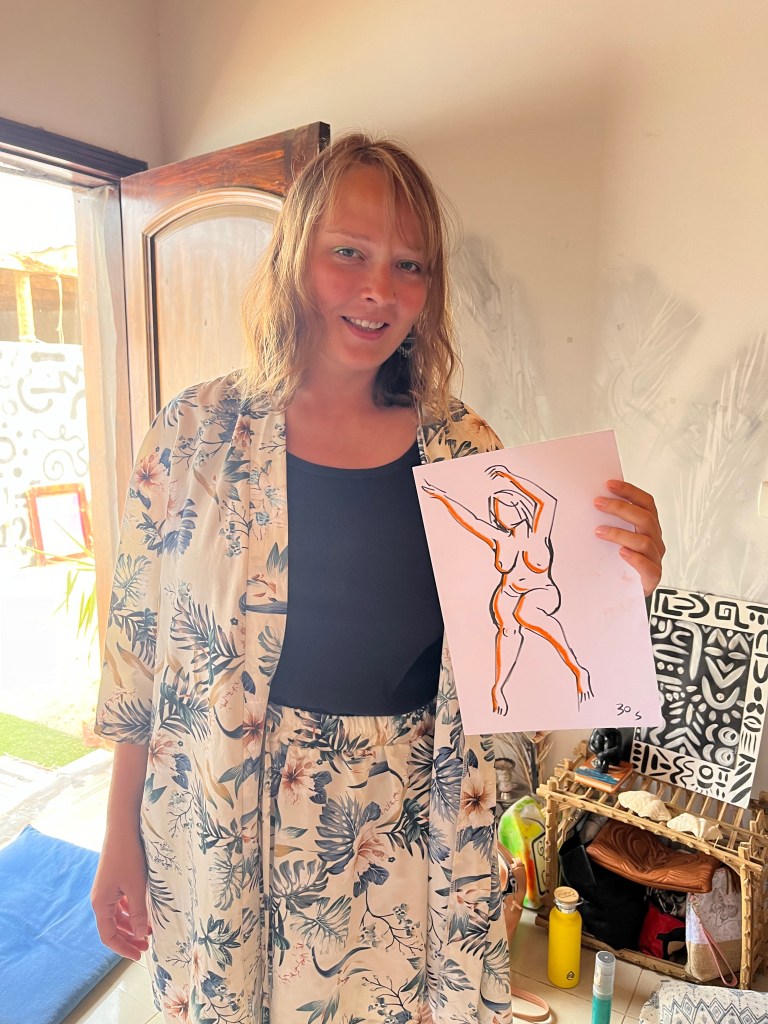
Life Model Holding Her Portrait by Sameh Samir
This cartoon features a life model presenting a portrait of herself, drawn by Sameh Samir in a nude art session. The scene highlights the connection between artist and model, reflecting the creative process in a studio setting.

Woman Showcasing Artistic Drawings in an Indoor Art Display
This photo captures a woman holding and displaying her artistic drawings in an indoor environment. The image focuses on personal creativity and the presentation of art. Artwork is attributed to Sameh Cartoon, emphasizing the artist's unique style and approach.

Art Sketch Design of a Seated Nude Figure with Draped Cloth
This design presents a detailed art sketch of a seated nude figure, highlighting the natural form and artistic drapery. The subject's long hair and the flowing cloth add depth and realism to the composition. , this piece exemplifies classic life model artistry.
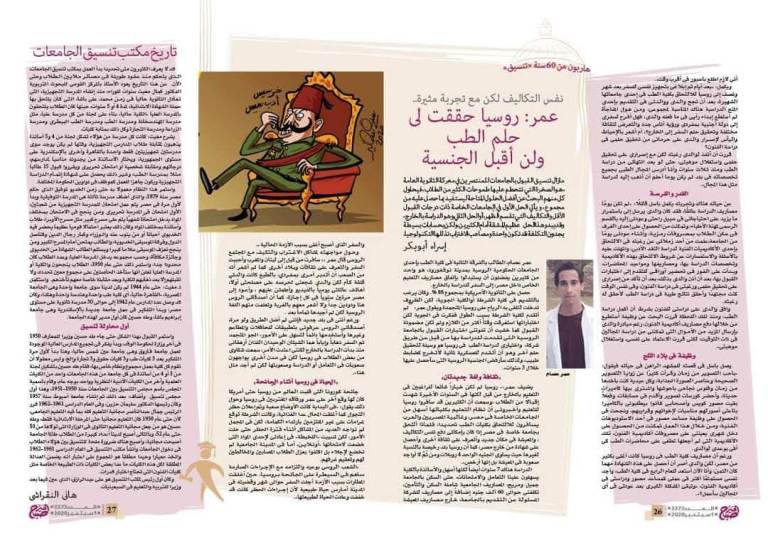
Classic Turkish Motif Character Illustration
This illustration presents a classic Turkish character in a humorous and traditional motif style, capturing the essence of cultural caricature. Artwork by Sameh Samir.

Fayum-Inspired Painted Portrait of a Young Person by Sameh Samir
Discover a Fayum-inspired painted portrait of a young person by Sameh Samir. This artwork, featured by Sameh Cartoon, blends expressive eyes and subtle emotion in a modern take on classic portrait art.

Fayum-Inspired Painted Portrait by Sameh Samir
This artwork presents a painted portrait by Sameh Samir, drawing inspiration from Fayum mummy portraits. The piece features expressive eyes and textured brushwork, reflecting a unique blend of historical influence and contemporary artistry. Sameh Cartoon highlights this creative interpretation.
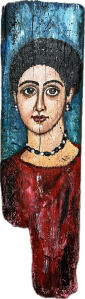
Fayum-Inspired Portrait Painting by Sameh Samir
This artwork by Sameh Samir features a digital portrait painting inspired by the ancient Fayum mummy portraits, presenting a woman's face rendered on a wooden plank with detailed brushwork.
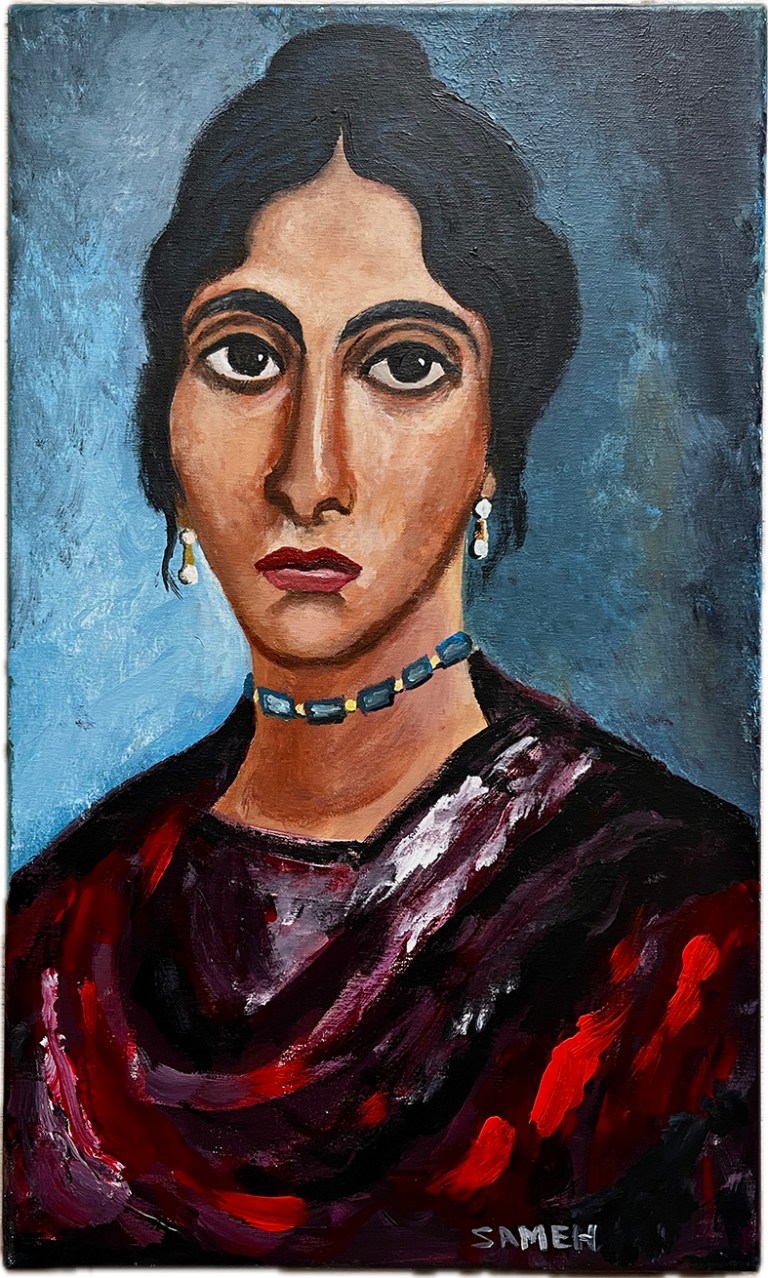
Fayum-Inspired Portrait Painting of a Woman by Sameh Cartoon
This portrait painting by Sameh Cartoon draws inspiration from Fayum mummy portraits, featuring a woman with a serious expression, earrings, and a necklace. The piece reflects classical portraiture and artistic heritage.
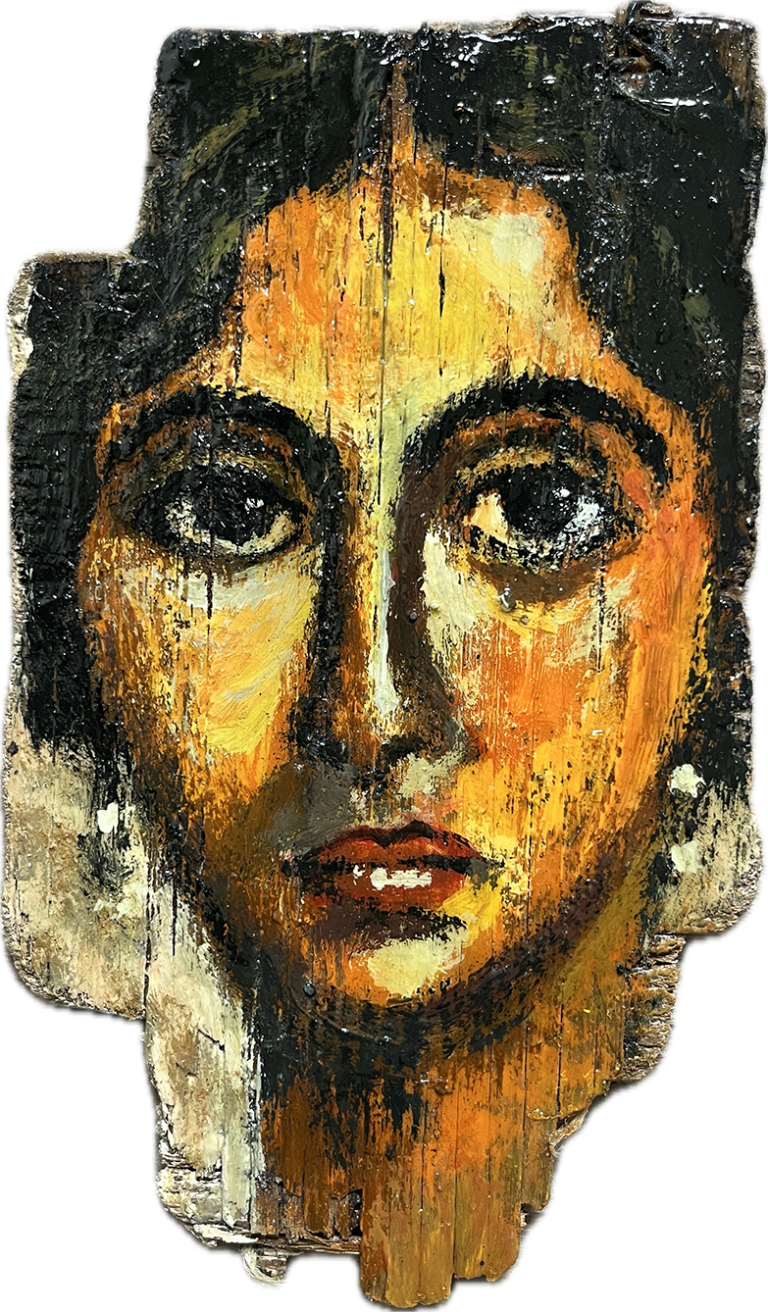
Fayum-Inspired Portrait of a Woman by Sameh Samir
This digital artwork features a woman's portrait inspired by the Fayum mummy portraits, with a wooden background that echoes ancient techniques. The piece is , blending historical inspiration with modern digital artistry.
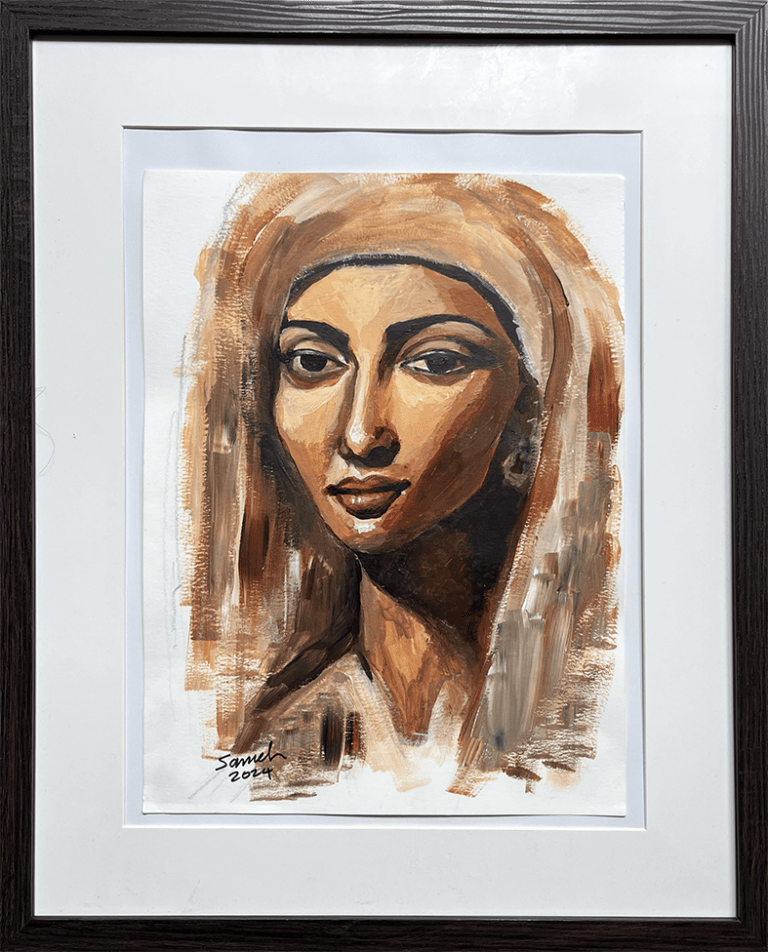
Painting of a Woman with Headscarf Signed Sameh 2024
This design features a portrait painting of a woman with a headscarf, signed 'Sameh 2024'. The artwork highlights expressive brushwork and a focus on facial features. , the piece reflects a modern approach to portraiture.

Event Caricature Photo with Playful Social Commentary
This photo captures a woman enjoying her caricature portrait at a social event, with the phrase 'Charbon and stuff like that' adding a playful touch. The scene highlights the lighthearted atmosphere and the fun of live caricature drawing. Artwork by Sameh Cartoon.
Related cartoon pages and context
This selection connects to wider editorial cartoon collections, workshop/event pages, and Sameh Samir’s professional profiles.
Caricature Workshop in Buggenhout
Learn caricature drawing in a clear, friendly workshop format.
Latest Cartoons & Visual Stories
Browse recent cartoon posts and curated visual stories.
Live Caricature Artist for Events in Belgium
Live caricature drawing for events, companies and cultural venues.
About Sameh Samir
Read more about the cartoonist behind the work.
Political Cartoons
Editorial satire and visual commentary on power and public life.
Awareness Cartoons
Cartoons for social impact, education and public awareness.
Sameh Cartoon Official Archive
Visit Sameh Cartoon’s wider official archive and portfolio.
Artwork and editorial cartoons by Sameh Samir. All rights reserved.