Sameh Cartoon · Editorial Cartoons
Community Cartoons: Visual Satire on Everyday Life
Dive into a curated selection of editorial cartoons that capture the vibrant tapestry of community life with wit and insight. These illustrations reflect the everyday joys, challenges, and quirks that bind neighborhoods together, offering a clever commentary on how we coexist and connect. Through humor and sharp observation, each cartoon invites you to see the familiar from a fresh, thoughtful perspective.




A curated visual editorial page about "Editorial cartoons about community life", supported by 18 relevant cartoons by Sameh Samir.
Editorial Note: The Power of Community Cartoons
Editorial cartoons about community life serve as a vibrant mirror reflecting the social fabric that binds people together. By using visual satire, these cartoons highlight the humor, contradictions, and challenges inherent in communal living. From street vendors’ calls to urban nightlife paradoxes, the everyday scenes become a canvas for social commentary that resonates with audiences across Egypt and beyond. This page presents a curated selection from a rich cartoon library, showcasing the best in community cartoons that blend humor with insightful critique.
What to Look for in Community Cartoons
Community cartoons excel in capturing the essence of social interactions and cultural habits with wit and clarity. They often use familiar settings—such as markets, public transport, and family gatherings—to explore broader themes like social neglect, urban confinement, and the interplay between tradition and modernity. Look for cartoons that use local dialects, recognizable characters, and everyday scenarios to create a relatable yet thought-provoking visual commentary.
Blending Daily Life with Social Satire
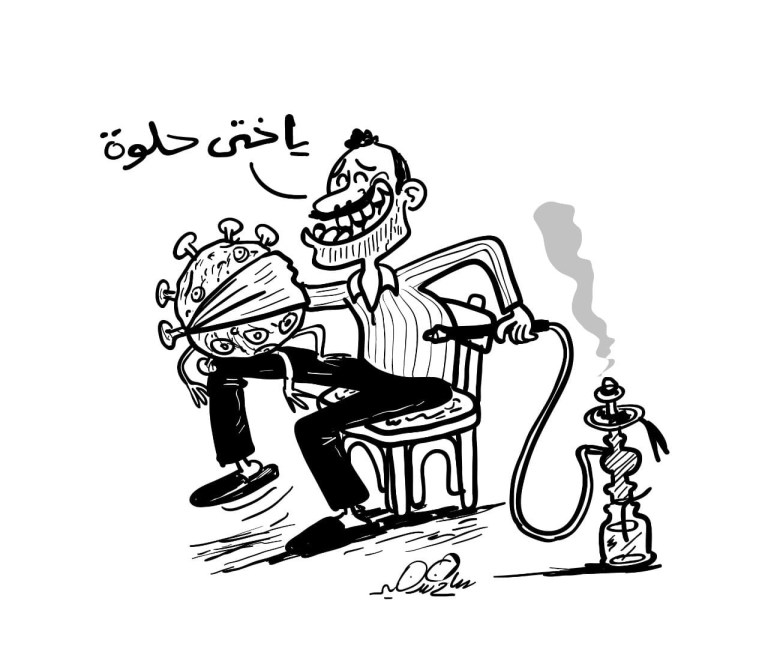
One standout example is the cartoon depicting a woman buying watermelon from a street vendor shouting the classic call “أحمر على أبوووه يا بطيخ.” This image cleverly contrasts traditional market culture with the influence of online shopping ads, highlighting how modern commerce reshapes community interactions. Similarly, the humorous portrayal of a man admiring a virus character with the phrase “ياختي حلوة” uses lighthearted humor to reflect on public attitudes toward health crises, blending social context with visual satire.
Highlighting Social Contradictions and Urban Life
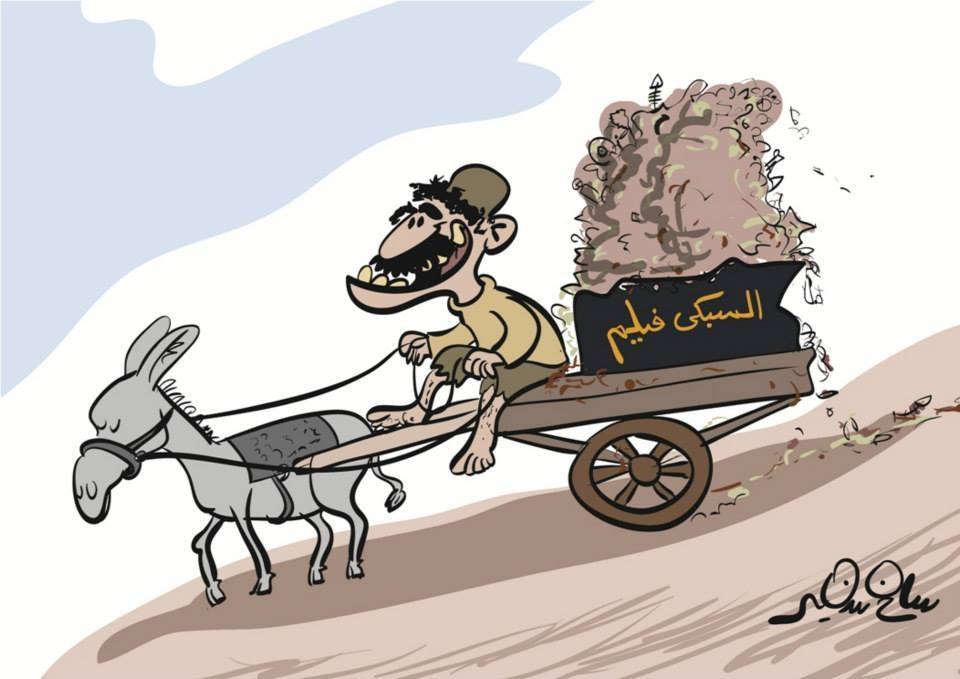
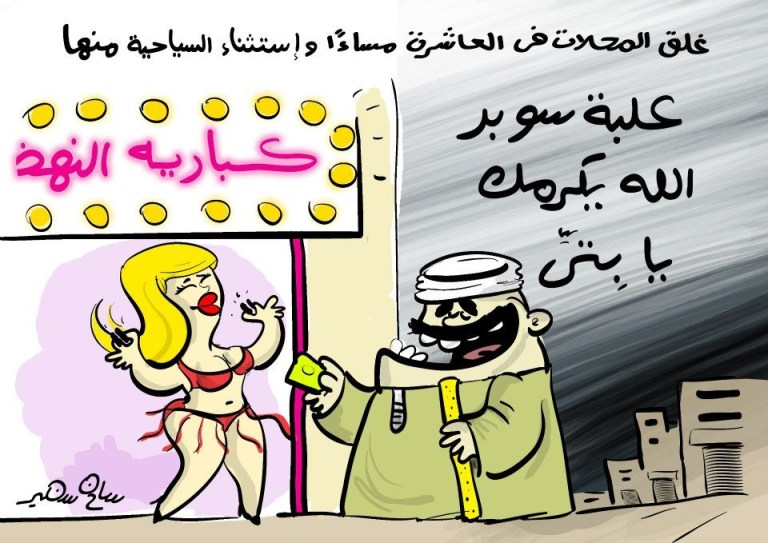
Community cartoons also shine a light on urban paradoxes, such as the humorous depiction of Cairo’s 10 PM shop closing time juxtaposed with lively nightlife venues. The image of a traditional man in galabeya attempting to buy cigarettes from a nightclub dancer instead of a kiosk captures the irony of city regulations versus social habits. Another cartoon uses the metaphor of a trash cart likened to a low-quality Al-Sabki film to comment on waste management issues, blending popular culture with social critique.
Voicing Community Challenges Through Humor
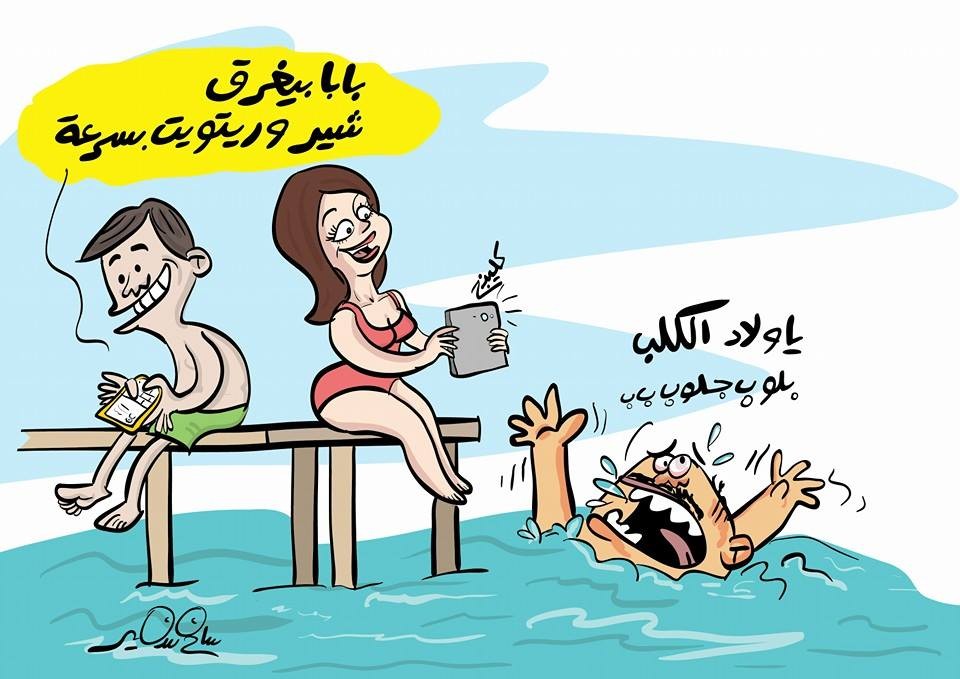
Beyond humor, these cartoons address serious themes like social media apathy, as seen in the depiction of a drowning father ignored while children film and tweet. This sharp commentary critiques how digital trends sometimes overshadow real-life emergencies, urging reflection on community responsibility. Another poignant cartoon shows a city skyline behind prison bars, symbolizing the confinement felt by residents in urban compounds and highlighting broader social and political constraints.
The Role of Language and Cultural Nuance
Language plays a crucial role in these cartoons, often using Egyptian Arabic phrases and local slang to enhance relatability and humor. For instance, the verbal irony in microbus fare collection—where a phrase with a risqué double meaning sparks laughter—demonstrates how linguistic nuances enrich social satire. This use of dialect and cultural references creates a strong connection with the audience, making the cartoons both entertaining and meaningful.
Connecting Visual Commentary to Everyday Experiences
Ultimately, community cartoons bridge the gap between daily life and social critique. Whether it’s a couple’s playful banter over a viral TV scene or a cartoon illustrating male dominance through a speaking tongue, these images invite viewers to engage with familiar situations from fresh perspectives. They celebrate the humor found in ordinary moments while encouraging deeper reflection on societal norms and behaviors.
Conclusion: Celebrating Community Through Cartoons
This curated selection from the cartoon library highlights how editorial cartoons about community life combine social satire with visual storytelling to capture the pulse of society. By focusing on relatable themes and using culturally rich imagery, these cartoons offer a luxurious and insightful commentary on the complexities of communal living. They remind us that humor and critique are powerful tools for understanding and improving the communities we share.
Published by Rose El-Youssef, Sabah El-Kheir, Al-Masry Al-Youm, and international platforms.
Editorial cartoons about community life

Funny Cartoon: Online Shopping Mimics Watermelon Vendor Calls
This cartoon captures the amusing contrast where a simple woman buys watermelon from a street vendor who shouts the famous call 'أحمر على أبوووه يا بطيخ', reflecting how online shopping ads have influenced everyday life in Egypt. Sameh Cartoon cleverly blends traditional street vendor calls with modern e-commerce culture in this playful social commentary.
Humorous Cartoon of Man Admiring Virus Character in Egyptian Style
This cartoon by Sameh Cartoon humorously portrays a man sitting and admiring a virus character, using the Egyptian Arabic phrase 'ياختي حلوة' meaning 'Oh my, how beautiful!'. The artwork uses light comedy to reflect on the social atmosphere around viruses in Egypt, blending humor with community context.
Funny Cartoon on Cairo’s 10 PM Shop Closing and Nightlife Paradox
This cartoon humorously captures Cairo’s paradoxical nightlife where shops close at 10 PM except tourist venues like nightclubs. A traditional man in galabeya tries to buy a pack of Super cigarettes from a dancer instead of a kiosk, highlighting the irony of the city that never sleeps but restricts regular shops. The scene uses Egyptian dialect humor to emphasize this social contradiction.
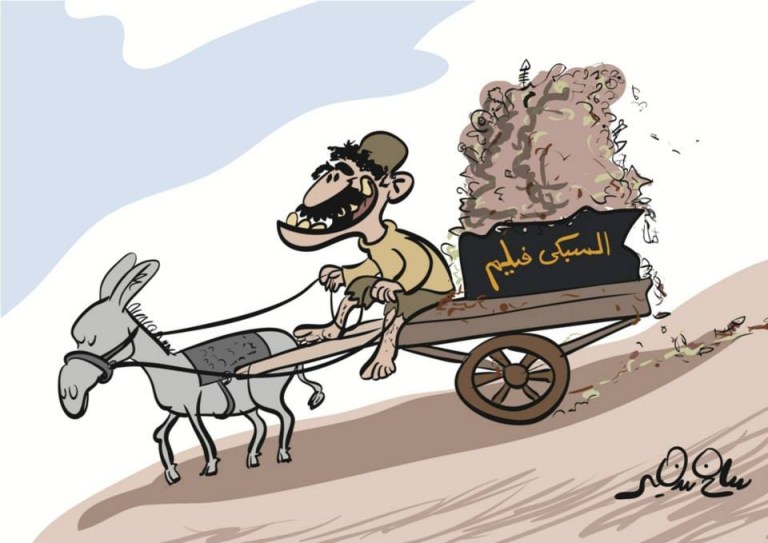
Humorous Cartoon on Waste Management Inspired by Al-Sabki Films
This cartoon by Sameh Cartoon uses humor to comment on waste management in Egypt by likening a trash cart to an Al-Sabki film, known for its low-quality productions. It cleverly blends Egyptian cultural references with social issues, making a playful yet insightful remark on community cleanliness and popular cinema.

Funny Egyptian Cartoon on Verbal Irony in Microbus Fare Collection
This cartoon humorously illustrates the verbal paradox common in Egyptian microbus culture, where the phrase 'Take one from the back!' is used innocently to mean paying fare from the back seat, but also has a risqué connotation. The driver's surprised reaction perfectly captures this playful linguistic clash, making it a relatable and amusing scene for Egyptian audiences.
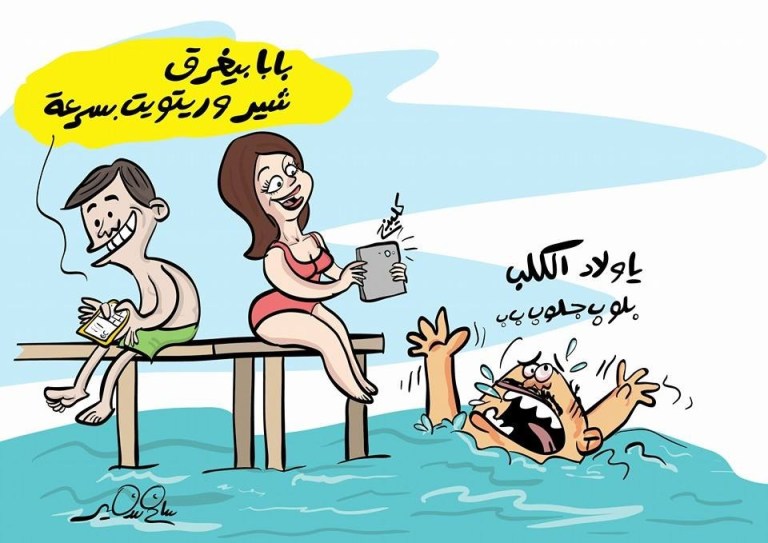
Egyptian Cartoon: Drowning Father Ignored While Kids Film and Tweet
This Egyptian cartoon by Sameh Cartoon satirizes social media apathy in 2012, where a drowning father shouts for help in Egyptian Arabic while his children record and tweet 'Dad is drowning, share and retweet fast!' The cartoon humorously criticizes how people prioritize online trends over real emergencies, reflecting a sharp social commentary on community neglect.

Political Cartoon Showing City Skyline Behind Prison Bars
This political cartoon by Sameh Cartoon uses the imagery of prison bars enclosing an Egyptian city skyline to symbolize a sense of confinement and restriction within residential compounds. The artwork critiques the limitations imposed on residents, reflecting broader social and political commentary on urban living conditions in Egypt.

Humorous Cartoon on Chaotic Urban Ads in Egypt
This cartoon humorously highlights the chaotic nature of urban advertisements in Egypt, promoting a modern apartment complex with a playful twist on architectural styles. It reflects on the randomness often seen in urban development ads, making a light social commentary on city living.
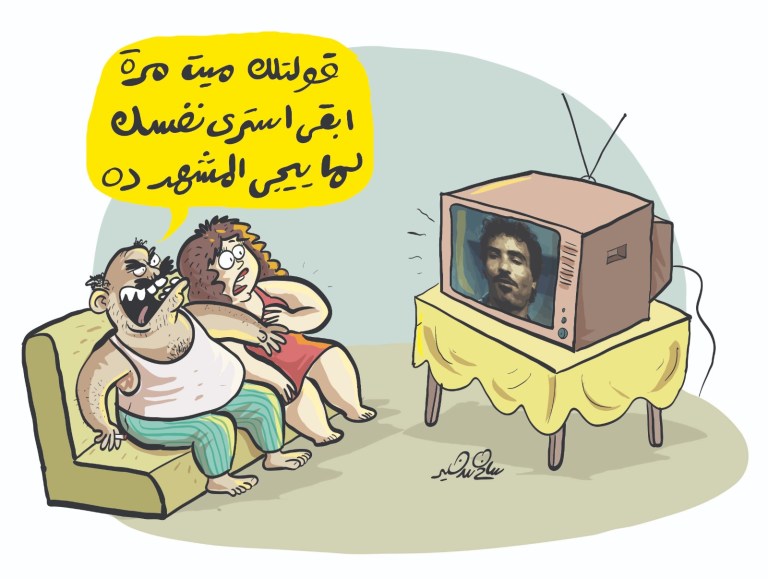
Egyptian Couple Watching TV: Playful Banter Over a Famous Scene
This cartoon humorously depicts a common Egyptian domestic scene: a husband jokingly tells his wife to cover herself during a dramatic TV moment featuring the well-known 'Hamdy El-Wazir look,' a scene that has gone viral on social media. The artwork by Sameh Cartoon uses playful sarcasm to reflect everyday couple interactions and popular culture in Egypt.

Cartoon Depicting Male-Dominated Society Through a Speaking Tongue
This cartoon by Sameh Samir depicts a tongue speaking in a masculine discourse, symbolizing how deeply male-dominated ideas permeate society. The illustration critiques societal norms by visually representing the dominance of masculine perspectives in everyday communication.

Donkey Complains About Insults in Therapy Cartoon
This Sameh Cartoon humorously depicts a donkey in therapy, lamenting that everyone calls him a donkey—a playful nod to the common Egyptian insult meaning 'foolish.' The cartoon uses light satire to highlight social attitudes through comedy.

Cartoon on Women's Rights Humor in Egyptian Context
This cartoon by humorously depicts a man's exaggerated confusion about women's rights in Egypt. It reflects ongoing social discussions about gender equality with a comedic tone.

Humorous Cartoon on Unusual Hotel Booking Rules in Egypt
This cartoon by humorously depicts a hotel reception scenario in Egypt where guests are instructed to say 'brothers' to book a double room. The scene highlights the quirky and unusual hotel booking rules with a playful tone. It offers a lighthearted commentary on local social customs and hospitality practices.
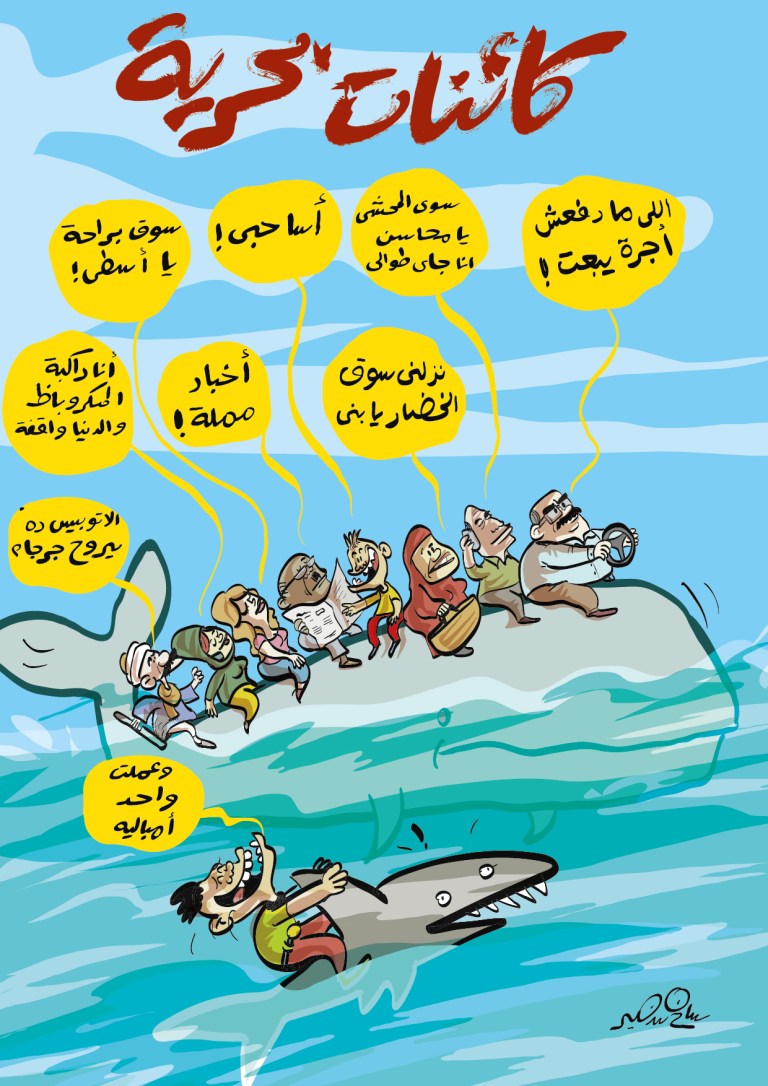
Egyptians Riding a Whale and a Teen on a Shark Like Public Transport
This cartoon depicts Egyptians humorously using a whale as public transport, with each passenger expressing common phrases heard during daily commutes. Meanwhile, a teenager rides a shark like a motorcycle, adding to the playful satire on transportation and daily life. The illustration reflects Egyptian social humor about crowded and chaotic travel experiences. Sameh Samir created this satirical scene.
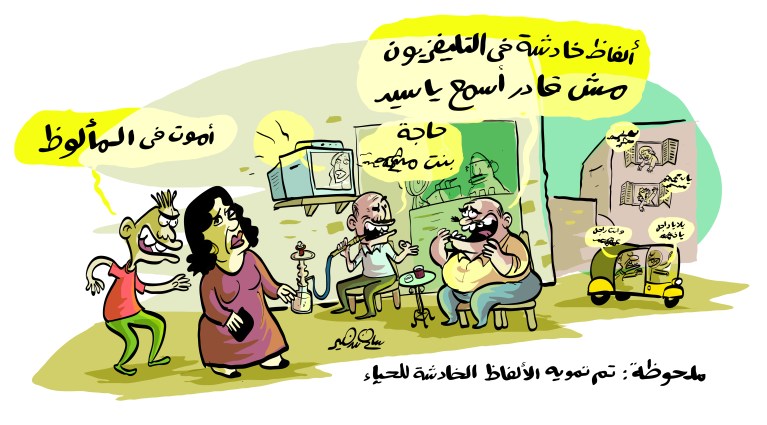
Humorous Cartoon on Offensive TV Content and Social Norms
This cartoon by humorously addresses the presence of offensive content on television and its reflection on social norms. It captures a social conversation about familiar and sometimes controversial topics in everyday life.
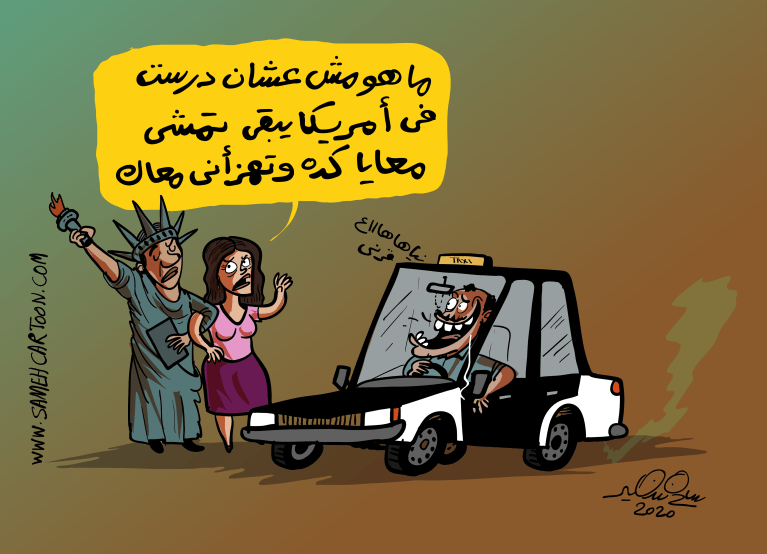
Humorous Taxi Interaction on Studying Abroad and Flirting
This cartoon humorously captures a taxi driver's playful remark to a woman about studying in America and flirting. It reflects common social exchanges in Egypt with light humor.
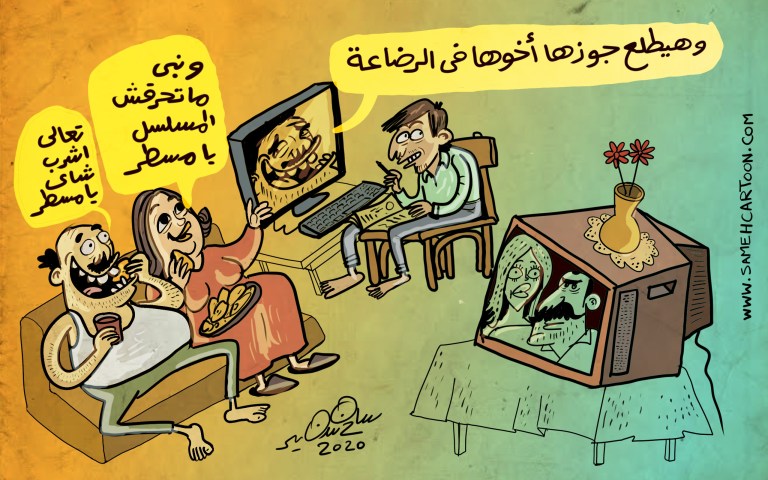
Family Humorously Discussing Absurd TV Series Plot Twist
This cartoon by illustrates a typical Egyptian family watching a popular TV series and humorously debating its absurd plot twist where a character's husband is revealed to be her brother in nursing. It reflects common social interactions around TV shows in Egyptian households.

Irony of a Fat Doctor Named Rafeeh Telling Patient to Lose Weight
This cartoon highlights the irony of a very overweight doctor named Rafeeh, whose name means 'slim,' telling a patient that they have made him very fat and that the patient needs to start a diet. The sign behind the doctor reads 'Dr. Rafeeh for Obesity Treatment,' emphasizing the humorous contradiction common in Egyptian social satire about weight issues.
Explore more editorial cartoon collections by Sameh Samir
Artwork and editorial cartoons by Sameh Samir. All rights reserved.